Introduction to Jaipur: The Pink City
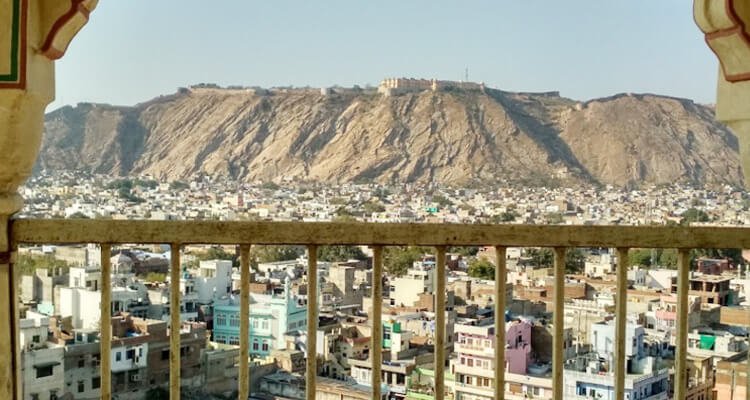
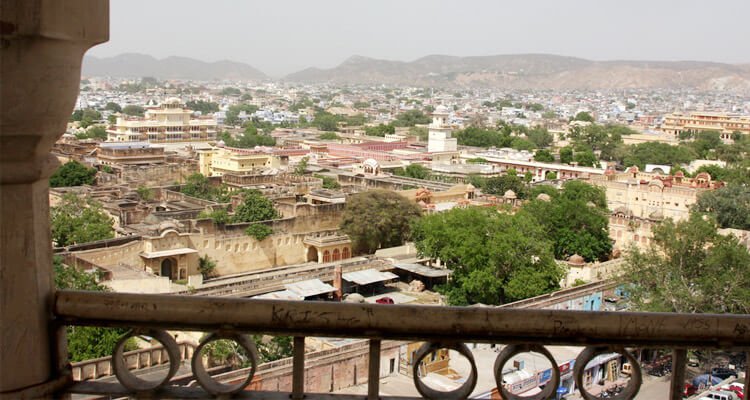
Jaipur, famously known as the “Pink City,” is a vibrant and culturally rich capital of the Indian state of Rajasthan. Founded in 1727 by Maharaja Sawai Jai Singh II, Jaipur has long been celebrated for its unique blend of architectural grandeur, historical significance, and colorful traditions. The city’s moniker, the Pink City, derives from the distinct color of its buildings, which were painted in terracotta hues to welcome the Prince of Wales in 1876, and this charm continues to draw numerous visitors each year.
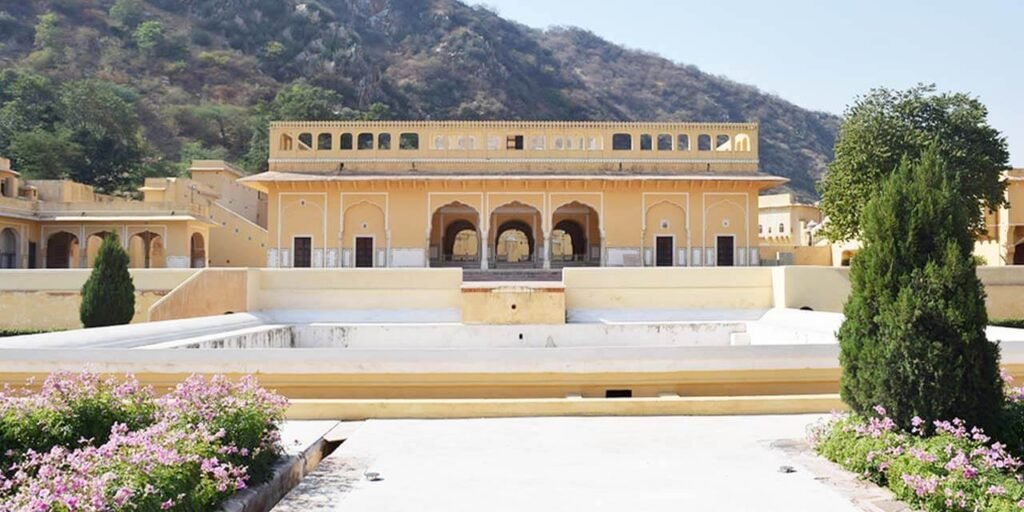
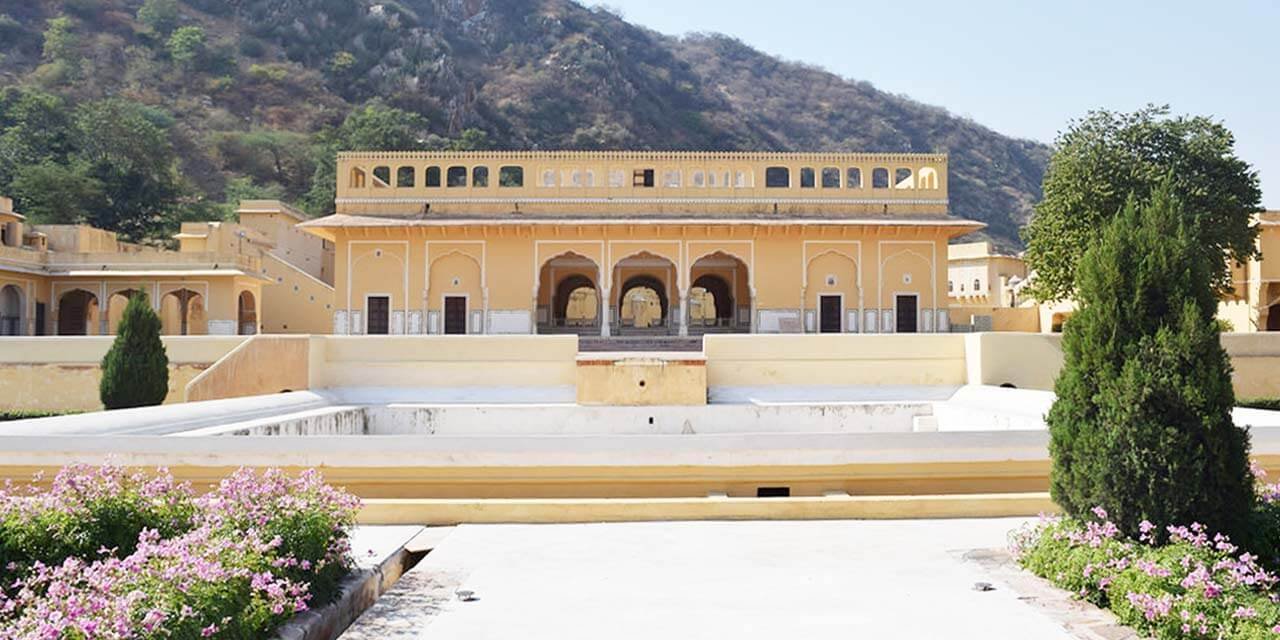
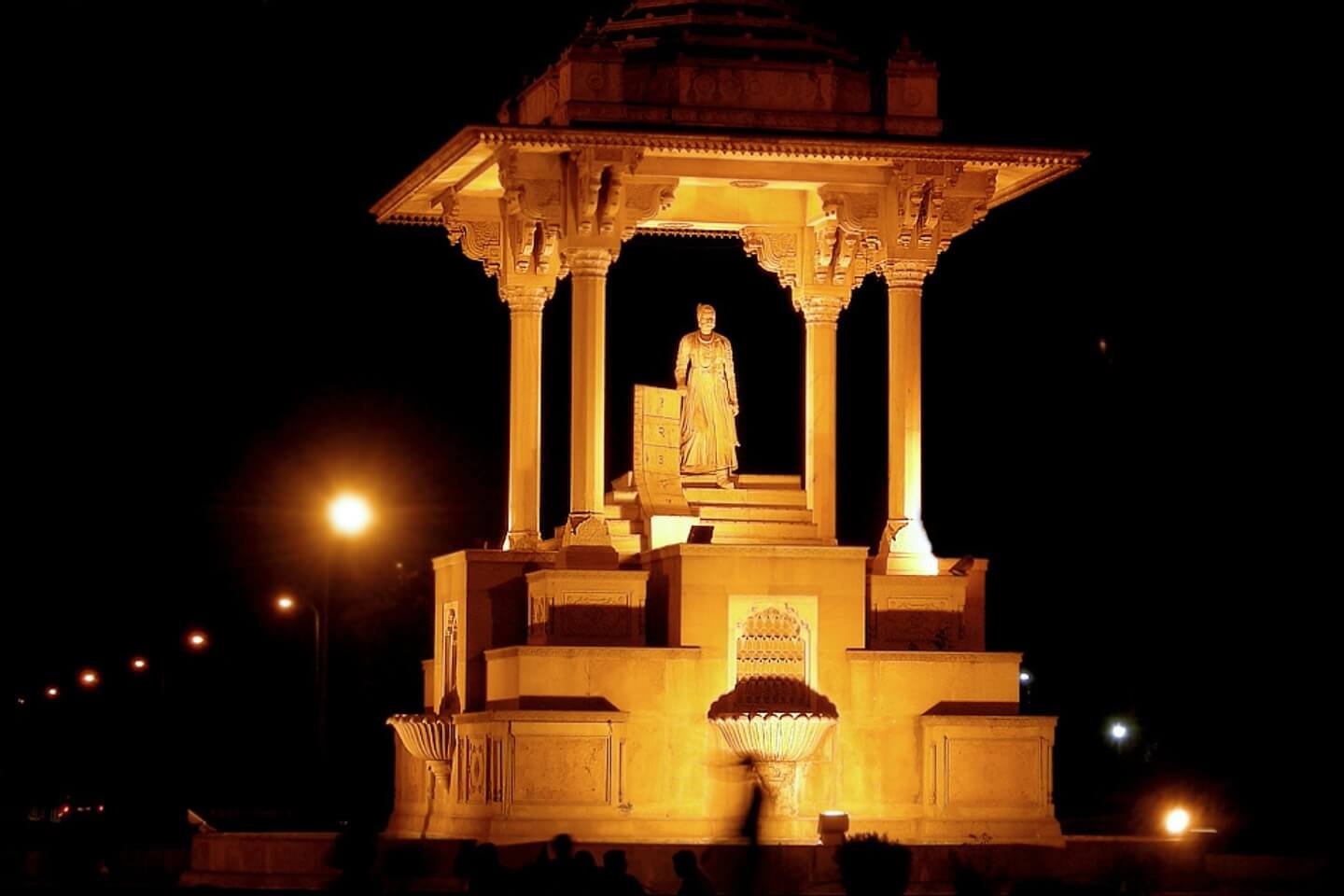
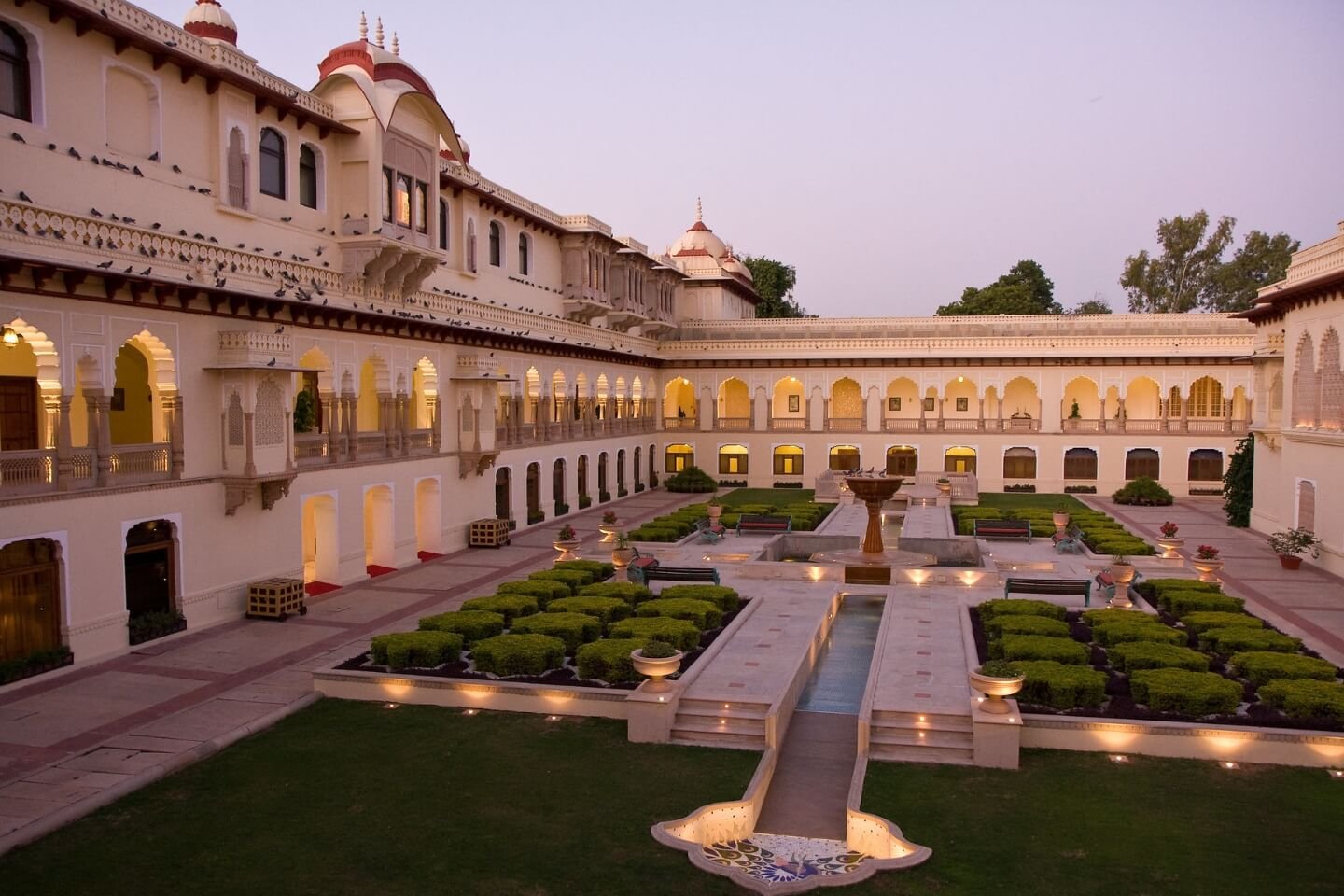
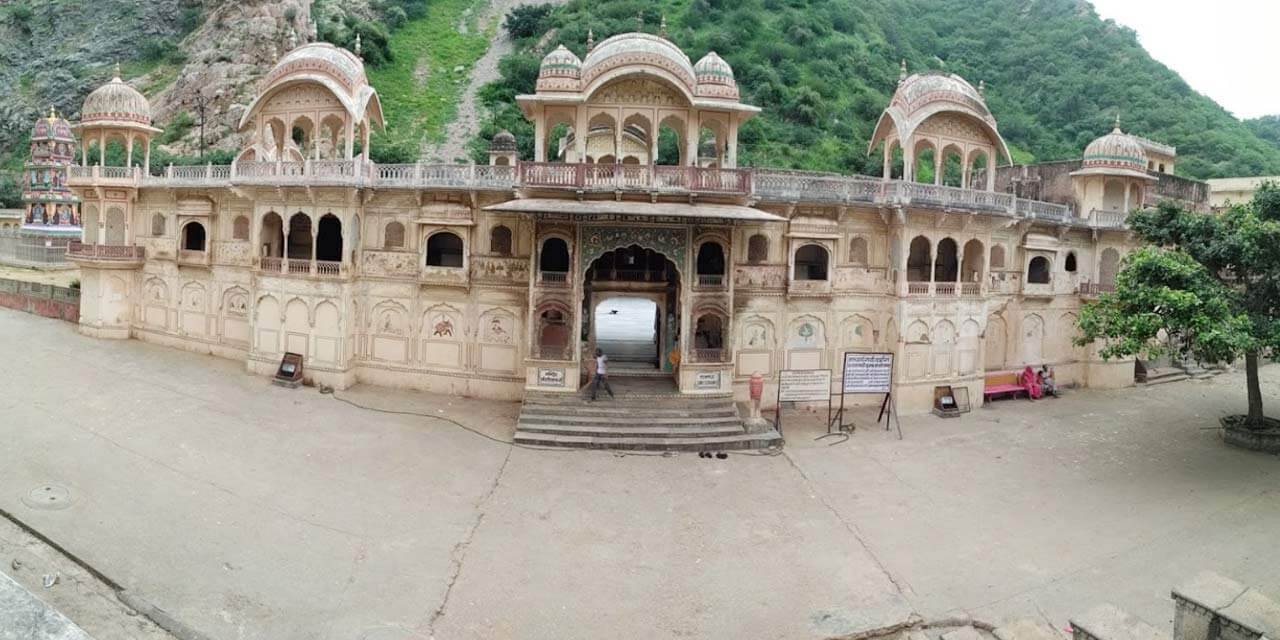
The architectural heritage of Jaipur is truly remarkable, with intricate palaces, imposing forts, and beautifully landscaped gardens highlighting its illustrious past. Prominent structures such as the City Palace, Hawa Mahal, and Amber Fort reflect the opulent lifestyle of the Rajput rulers and their commitment to art and culture. These incredible tourist places to visit in Jaipur not only offer a glimpse of the past but also act as a reminder of the city’s status as a center of craftsmanship and innovation.
In addition to its architectural marvels, Jaipur boasts a vibrant culture steeped in traditions. The city is known for its bustling markets, where visitors can experience the local craftsmanship through textiles, pottery, and jewelry. Annual festivals celebrated in Jaipur, such as Teej and Diwali, showcase the local customs while filling the streets with colors and joyous sounds, making it an unforgettable experience for travelers.
With its rich history, stunning architecture, and lively atmosphere, Jaipur undoubtedly ranks among the incredible tourist places to visit in Jaipur. As you explore this enchanting city, you will find that it offers a perfect blend of the old and the new, inviting you to immerse yourself in its captivating charms.
Hawa Mahal: The Palace of Winds
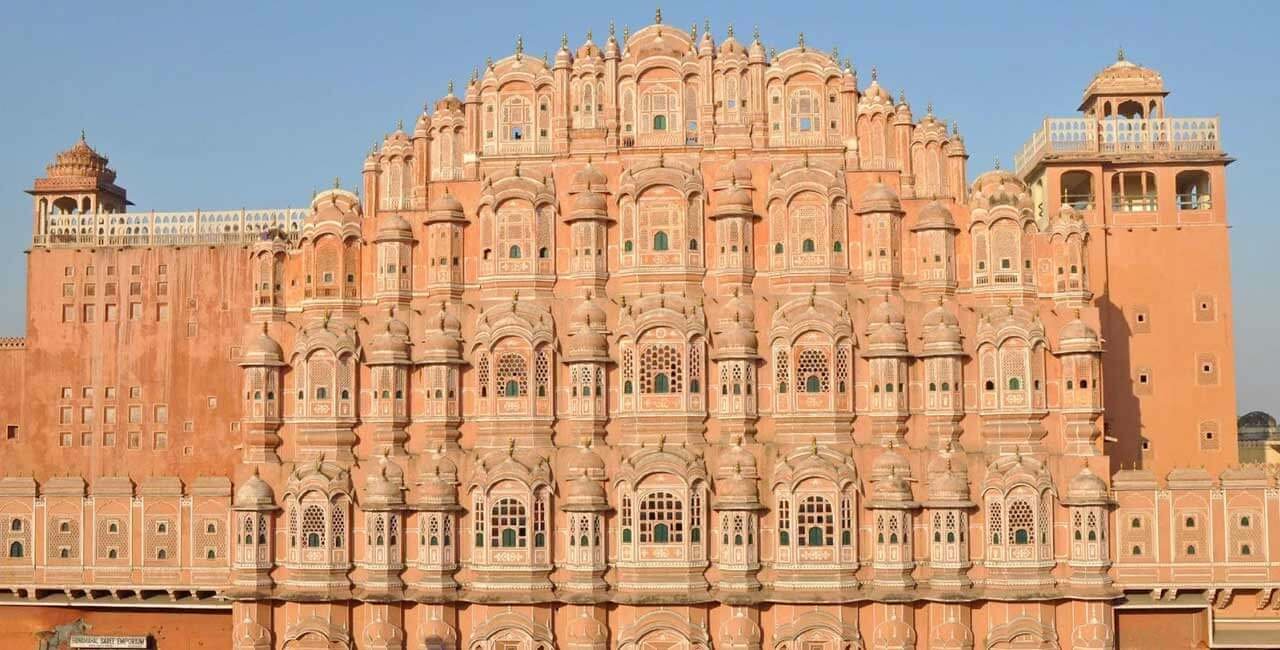
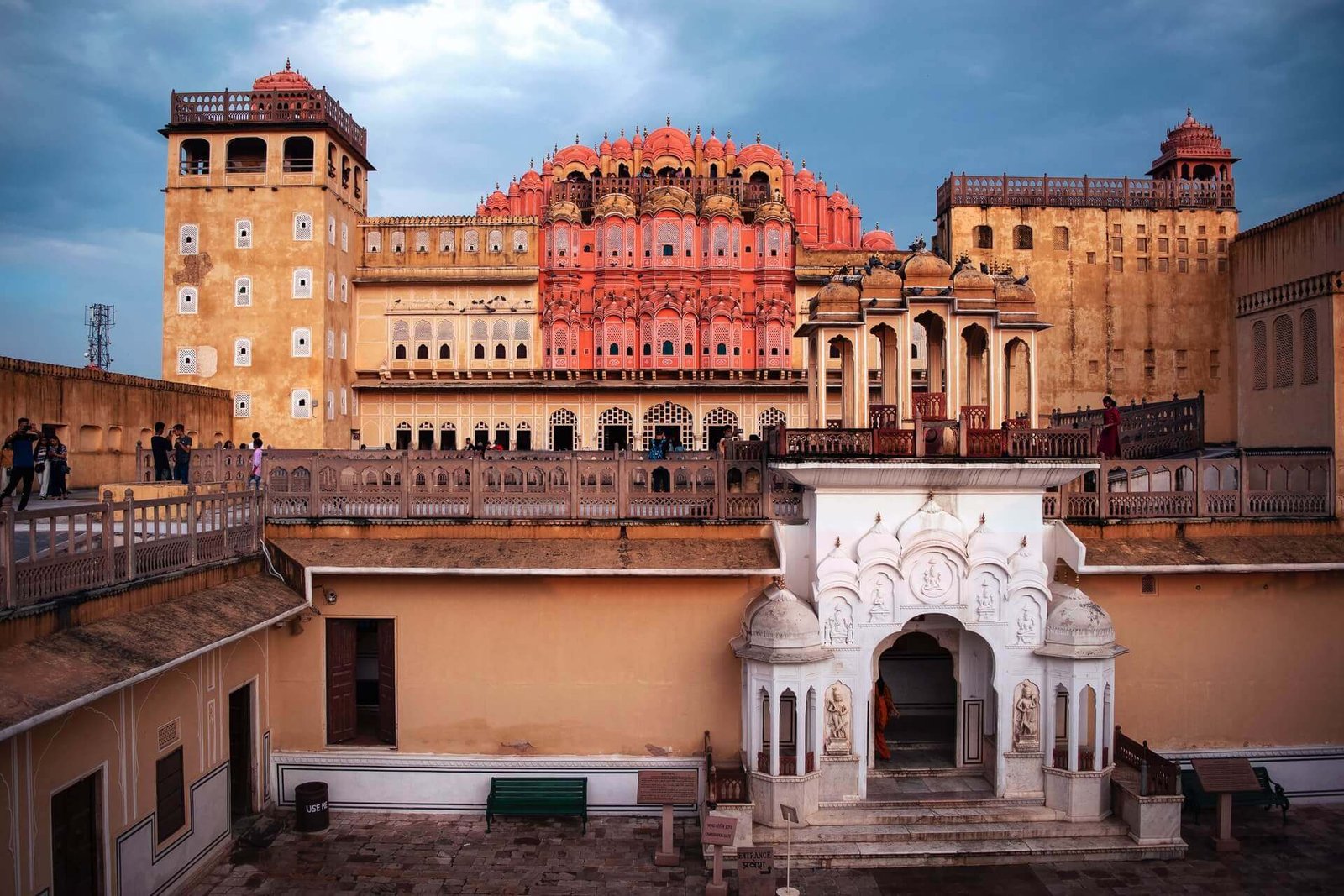
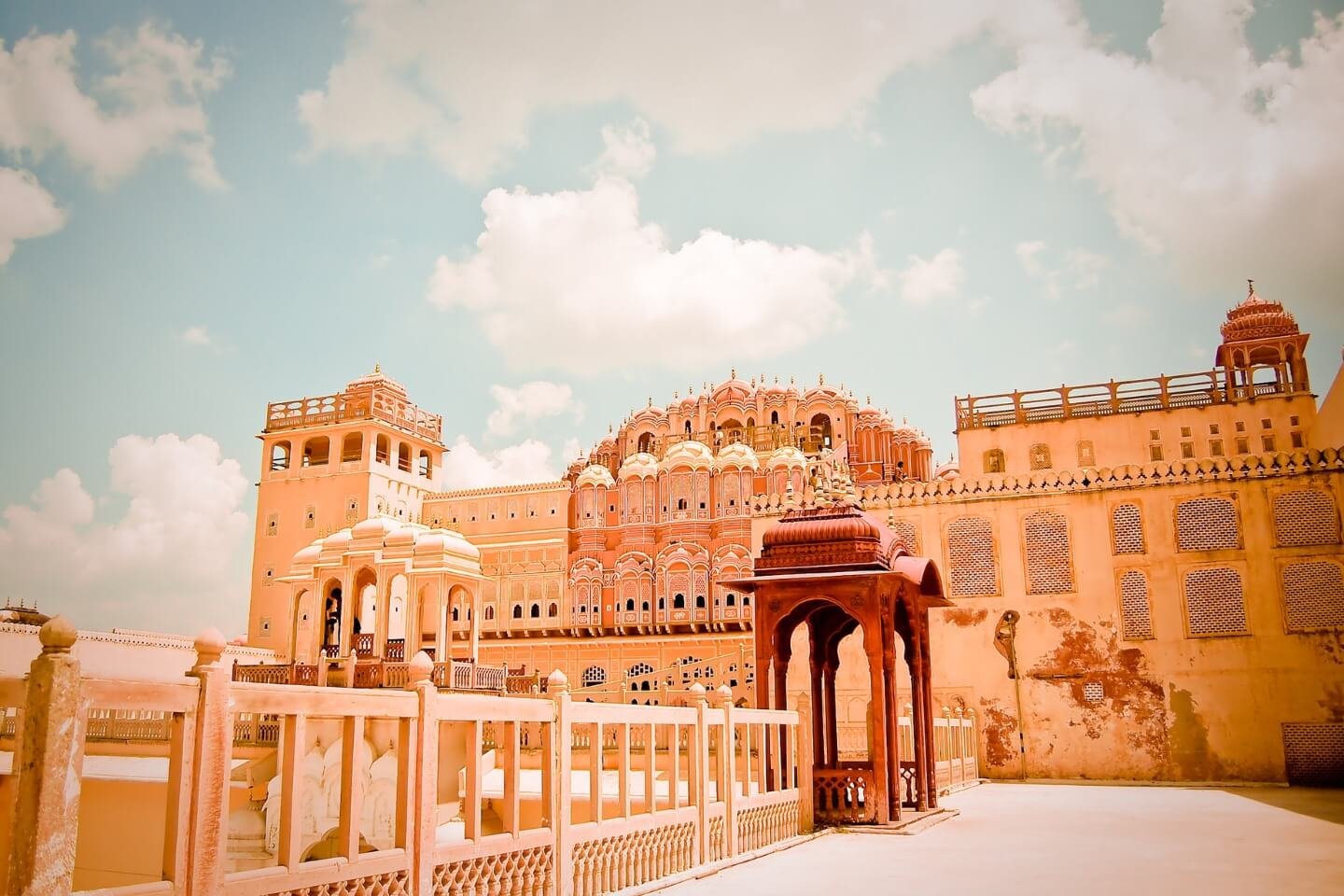
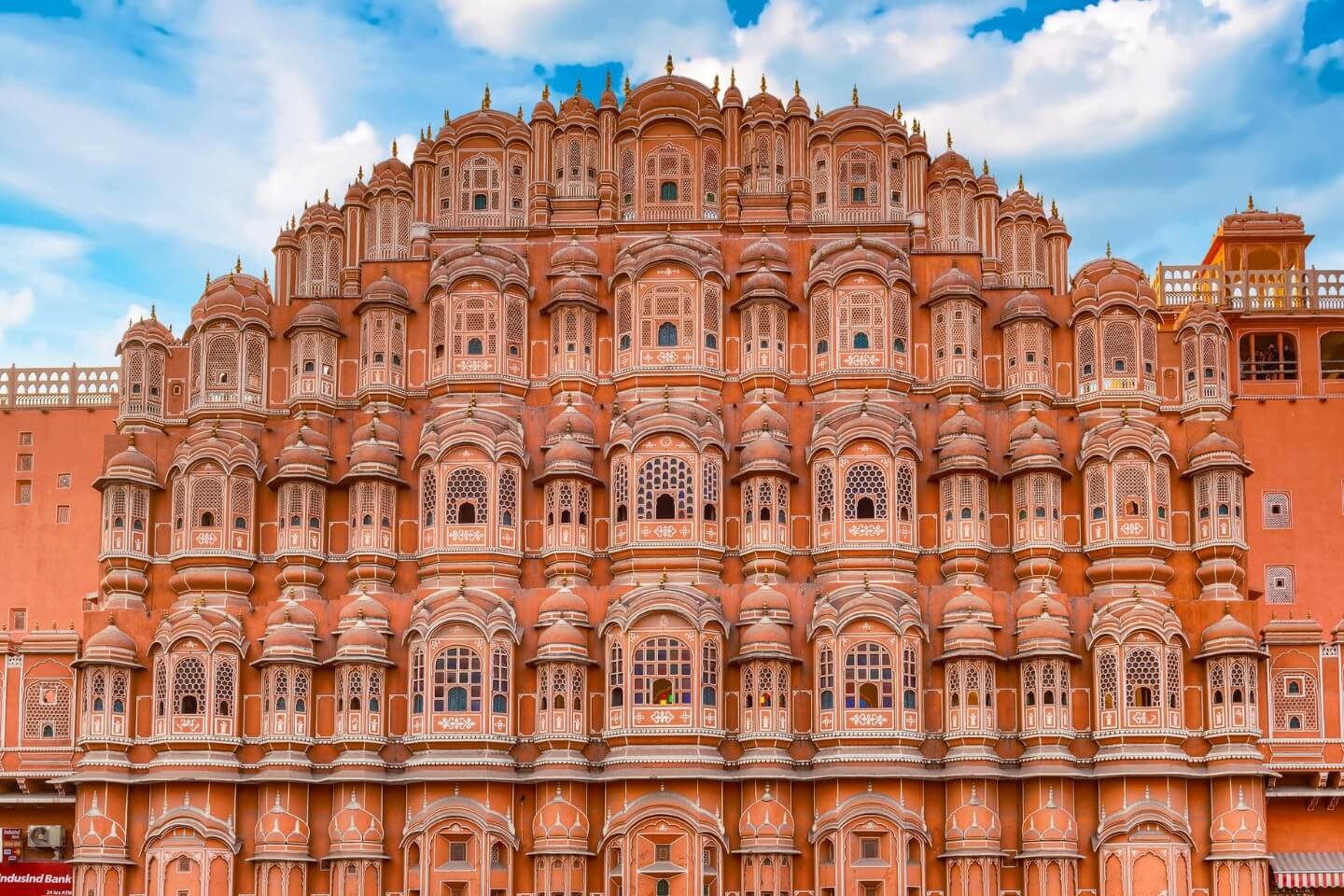
Hawa Mahal, also known as the Palace of Winds, stands as one of the most remarkable incredible tourist places to visit in Jaipur. Constructed in 1799 by Maharaja Sawai Pratap Singh, this exquisite palace was designed by the architect Lal Chand Ustad, and it showcases the fusion of Rajput and Mughal architectural styles. The most distinctive feature of Hawa Mahal is its façade, which is adorned with 953 small windows, or ‘jharokhas’, that permit cool air to flow through the building, making it a delightful refuge from the heat of Rajasthan.
The historical significance of this palace goes beyond its architectural beauty; it was specifically built for the royal ladies of the court, allowing them to observe daily life and festivities on the street without being seen themselves. This design reflects the cultural values of the time concerning women and their social interactions. Notably, the intricate latticework displays not only aesthetic appeal but also ingenuity in climate control, proving why Hawa Mahal remains a testament to remarkable engineering.
When it comes to photography, the best times to capture the essence of Hawa Mahal are during the early morning and late afternoon. The warm golden light during these hours beautifully illuminates the palace’s pink sandstone, enhancing its charm. Additionally, capturing the palace against a clear blue sky provides a stunning contrast, making for breathtaking photographs. Visitors are encouraged to explore the various viewpoints around Hawa Mahal to appreciate its grandeur from different angles. Indeed, Hawa Mahal continues to be a significant landmark and remains an essential stop for anyone exploring the incredible tourist places to visit in Jaipur.
City Palace: A Royal Residence
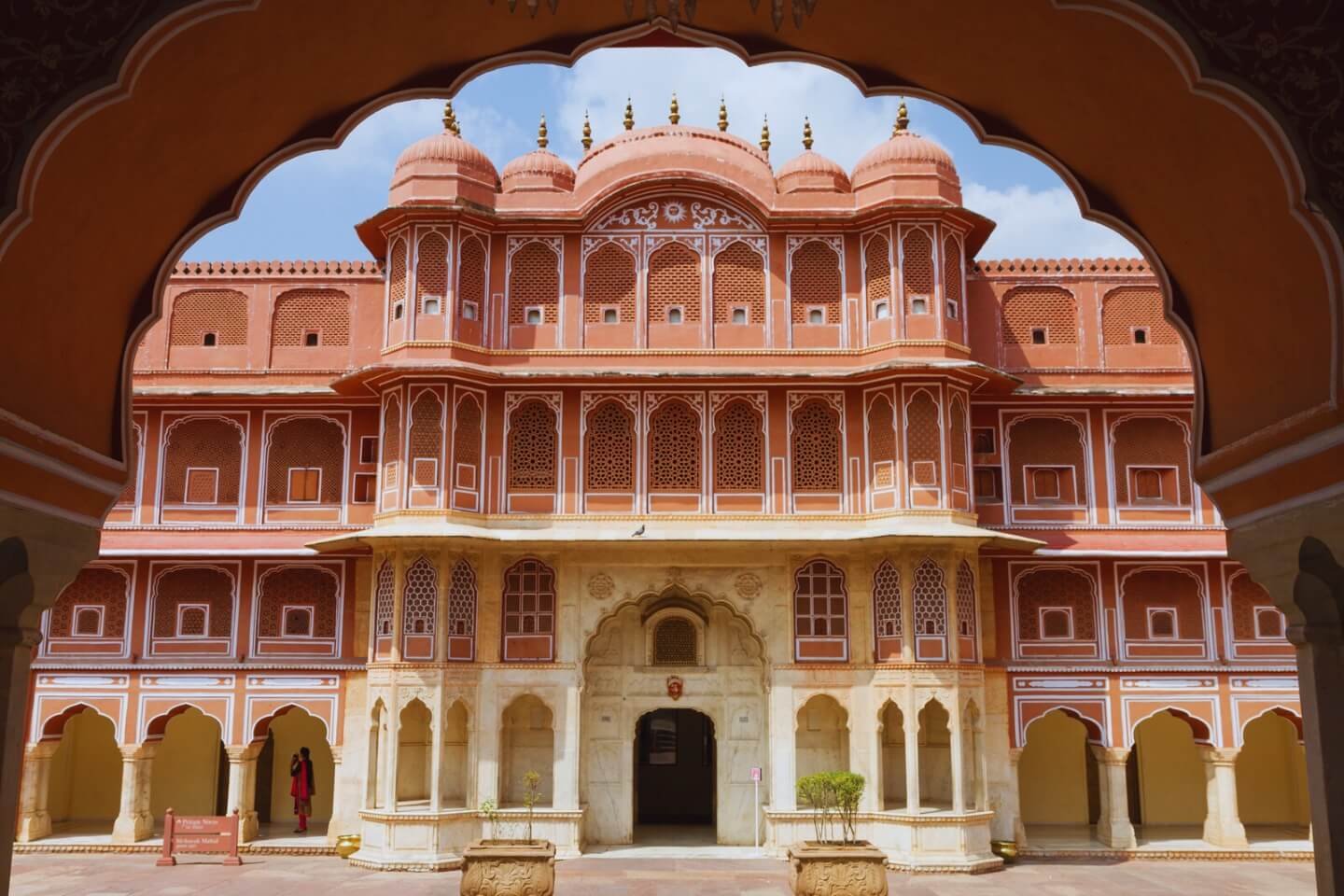
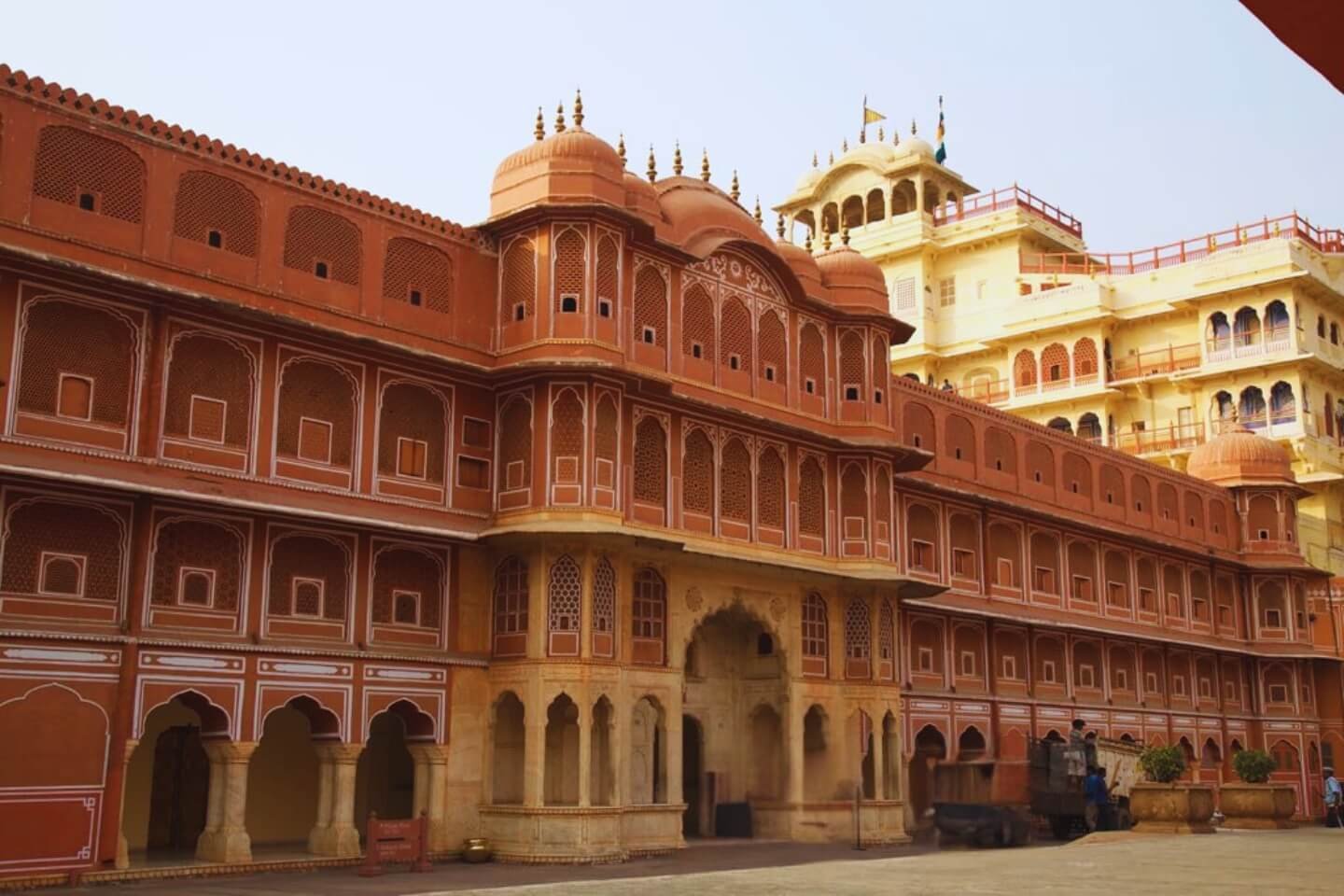
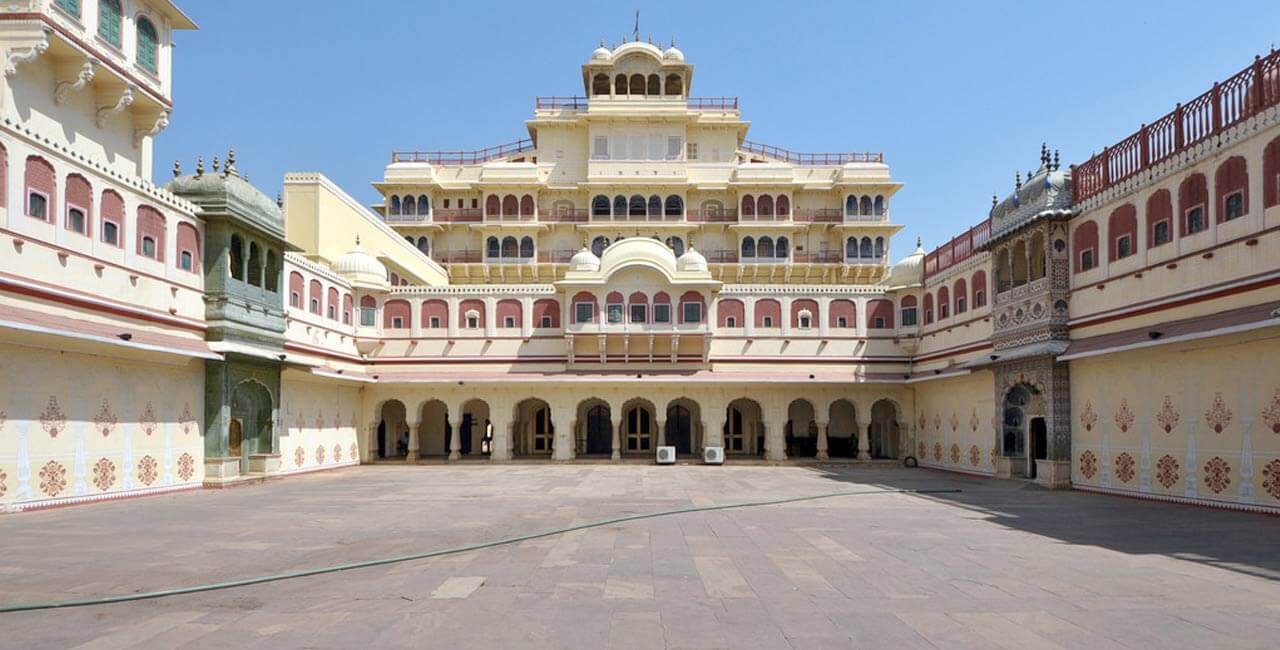
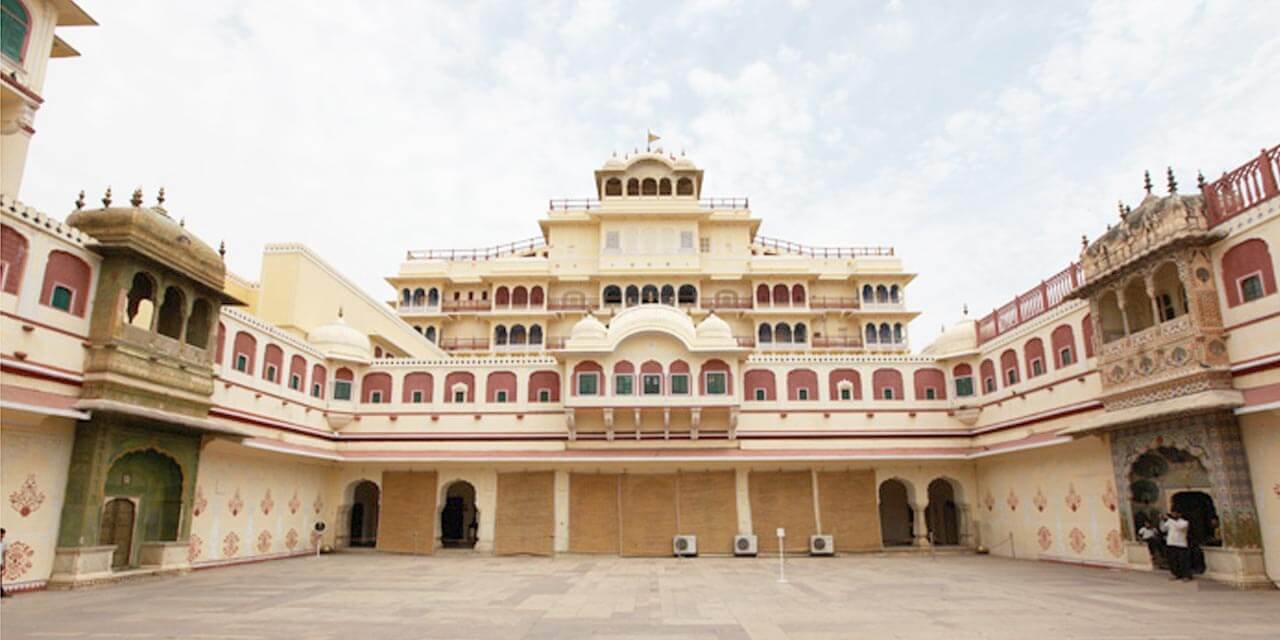
The City Palace in Jaipur is a significant historical monument that highlights the grandeur of royal Rajasthan. Built-in the 18th century by Maharaja Sawai Jai Singh II, the architecture of the palace is a fascinating amalgamation of Rajasthani and Mughal styles, showcasing intricate art and design that narrates the rich history of the region. The palace complex is extensive, comprising several courtyards, gardens, and museums, each offering a unique glimpse into the opulent lifestyle of the royals.
The City Palace features numerous courtyards, including the remarkable Chandra Mahal and Mukut Mahal, which have been pivotal in the history of Jaipur. Visitors can explore the finely crafted rooms, adorned with traditional paintings, artifacts, and ancient weaponry, reflecting the cultural heritage of the state. Among the various exhibits, the Armory Museum shall captivate those intrigued by the historical weaponry used during the royal era, while the textile and clothing sections present exquisite garments that were once worn by the erstwhile royals.
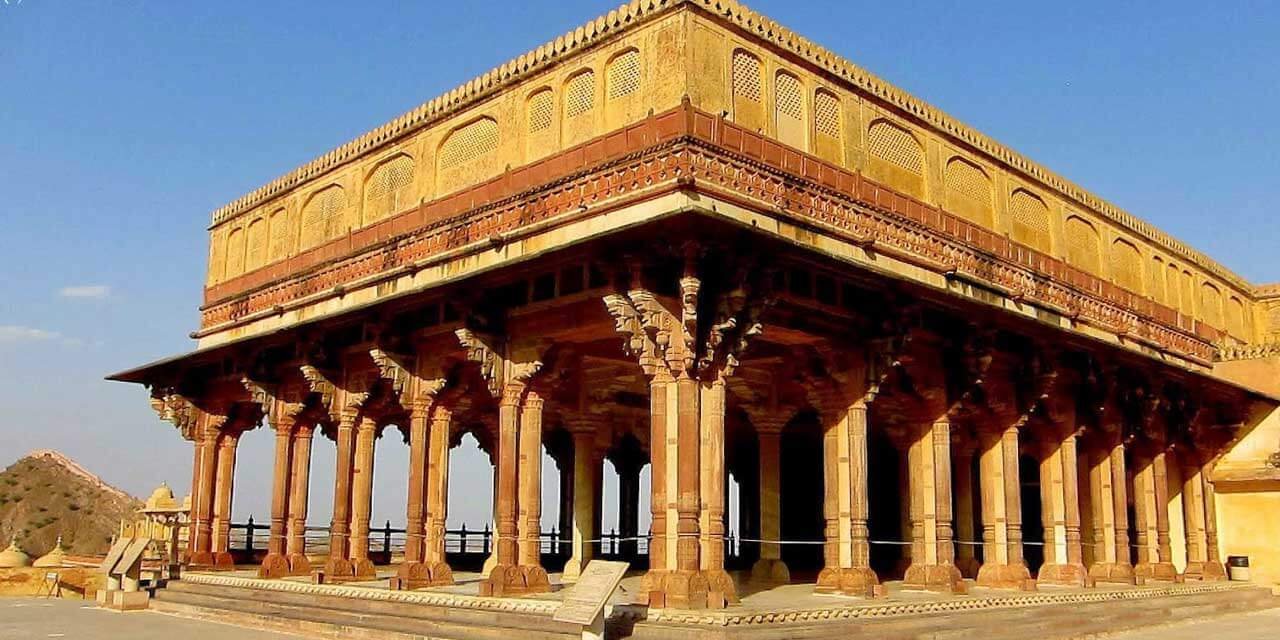
For travelers keen on experiencing incredible tourist places to visit in Jaipur, the City Palace stands out not only for its architectural brilliance but also for its serene ambiance. The best spots for visitors include the “Diwan-i-Khas” (Hall of Private Audience), where royal meetings were held, and the “Pitam Niwas Chowk,” a courtyard showcasing beautiful doorways representative of the four seasons. Photography enthusiasts will find picturesque angles throughout the palace, making it an ideal location for memorable photographs. Moreover, guided tours are available, enriching the experience with detailed insights into the royal history that the City Palace encapsulates.
Amer Fort: The Majestic Fortress
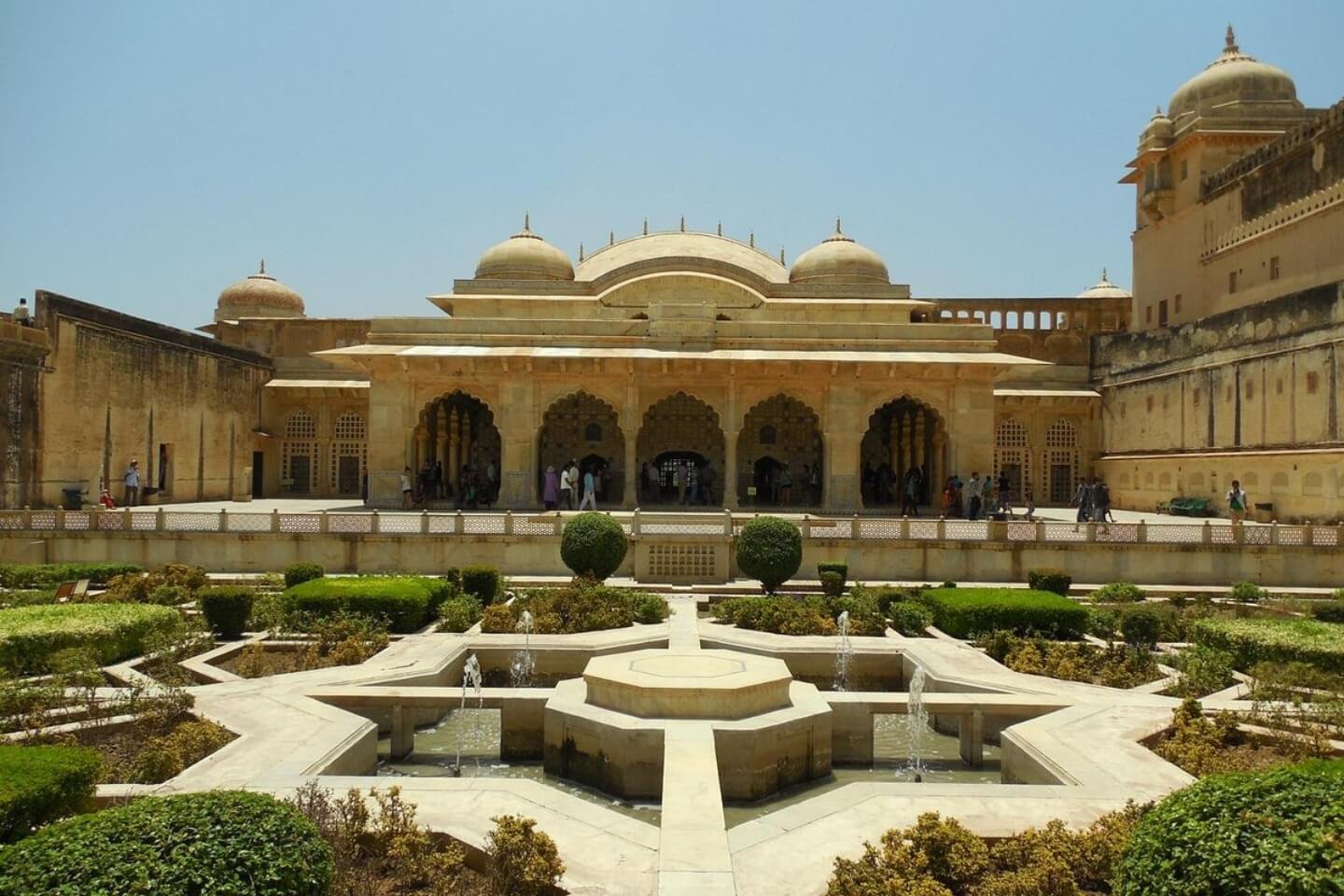
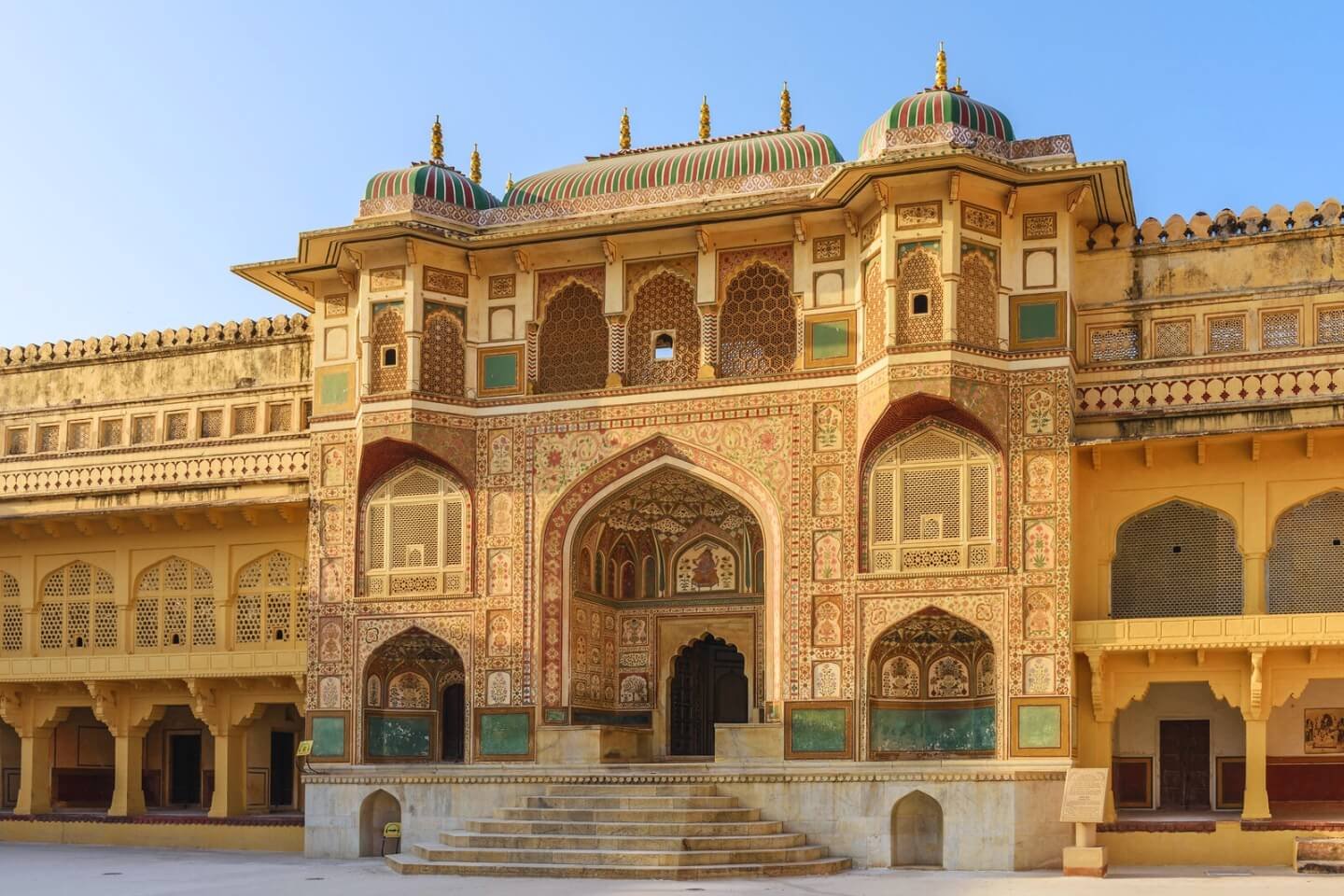
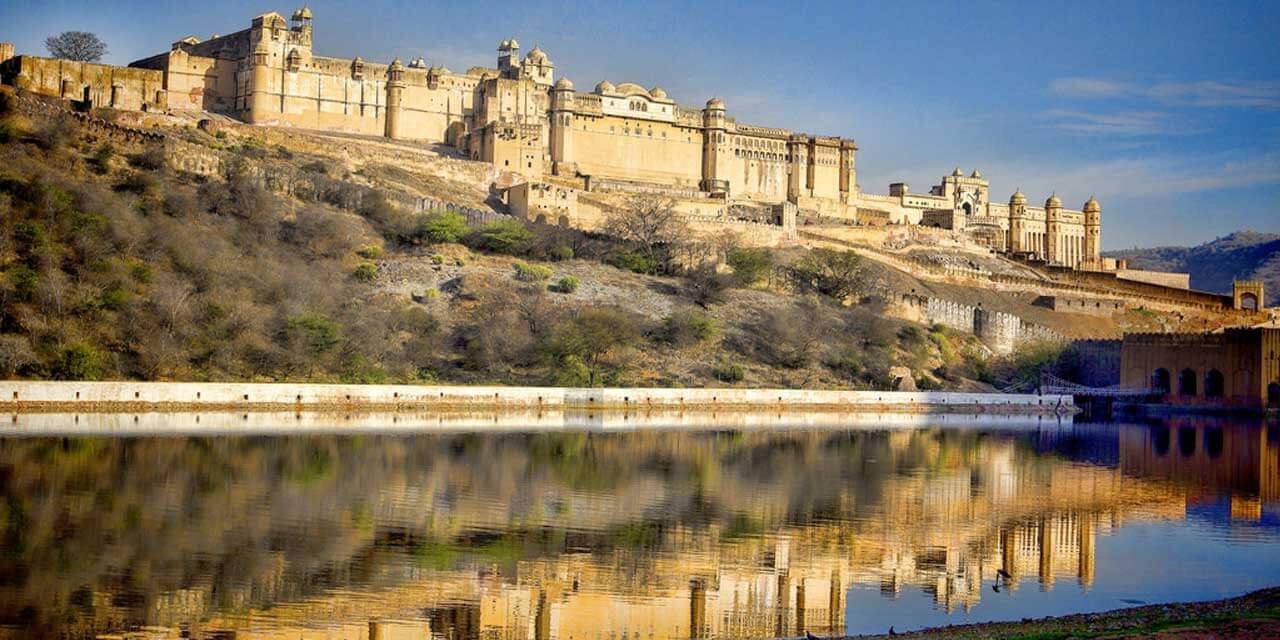
Amer Fort, also known as Amber Fort, is one of the most incredible tourist places to visit in Jaipur, reflecting the rich history and cultural heritage of Rajasthan. Constructed in the late 16th century by Raja Man Singh I, this magnificent fort is a splendid example of Indo-Islamic architecture. The fort combines elements of Hindu and Mughal architectural styles, which are evident in its intricate carvings and detailed mirror work.
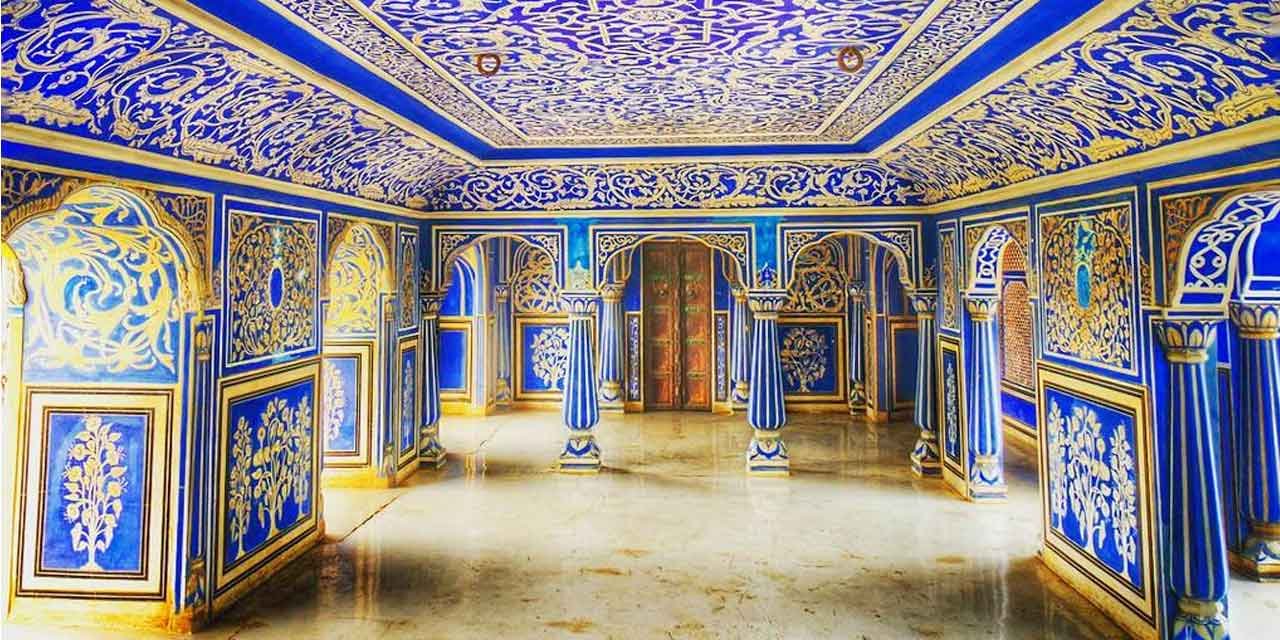
As visitors approach the fort, they are greeted by an impressive facade that is both imposing and beautiful. The fort’s sprawling complex comprises several palaces, gardens, and temples, all arranged around a series of courtyards. Highlights within the fort include the Sheesh Mahal, or Hall of Mirrors, which is adorned with countless tiny mirrors that reflect light, creating a mesmerizing effect. The exquisite designs and detailed jaali work make Amer Fort a photographer’s delight.
The fort’s elevated position on the Aravalli hills provides breathtaking views of the surrounding landscape, making it a perfect backdrop for memorable moments. Additionally, Amer Fort is renowned for its captivating light and sound show, which narrates the history of the fort and the royal family of Jaipur. This enchanting spectacle takes place in the evenings, drawing a significant number of tourists and adding to the overall allure of this incredible tourist destination.
In terms of accessibility, Amer Fort is located just a short distance from the city center and can be reached easily via various modes of transportation. Its historical significance and architectural beauty make it an unmissable stop for those exploring the incredible tourist places to visit in Jaipur, ensuring an enriching experience for every visitor.
Jantar Mantar: The Astronomical Observatory
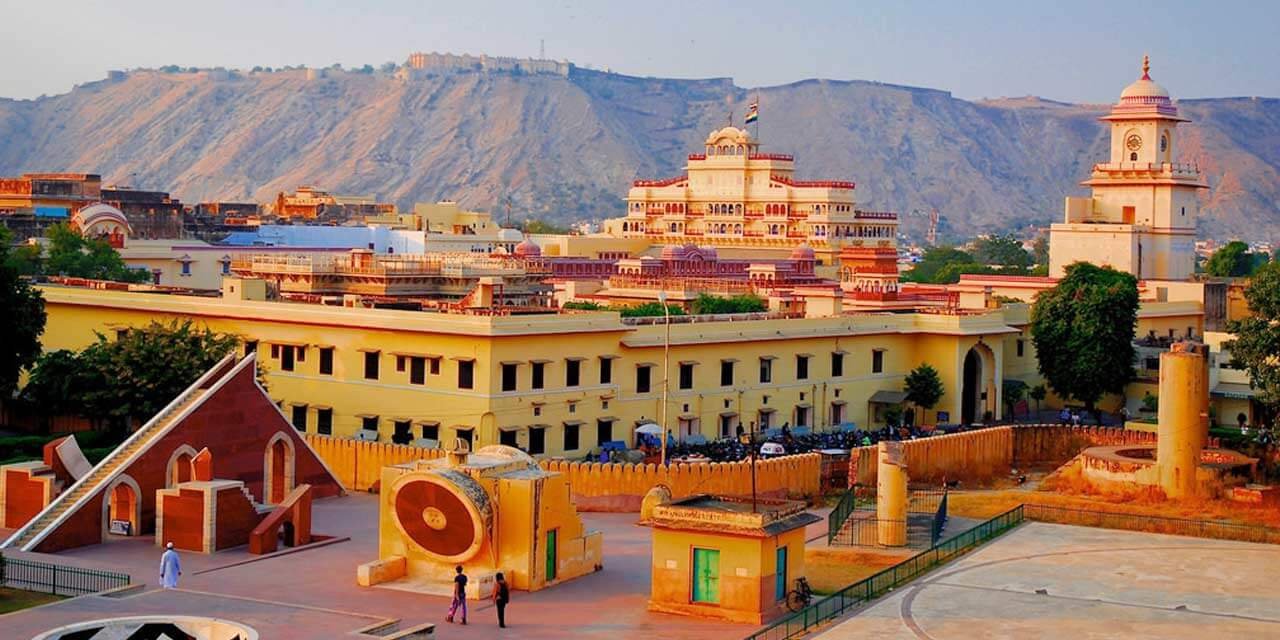
Located in the vibrant city of Jaipur, Jantar Mantar stands as a testament to the scientific prowess of its time, constructed under the patronage of Maharaja Jai Singh II in the 18th century. This remarkable site is primarily an astronomical observatory, thoughtfully designed for the observation of celestial bodies and the advancement of astronomical studies. In a time when astronomical observations were essential for navigation and agricultural planning, Jantar Mantar served an important role.
The observatory houses a collection of unique instruments, each with a distinct purpose in the realm of astronomy. Among these, the Samrat Yantra is an awe-inspiring sundial that provides accurate time readings, demonstrating the ancient techniques used to measure time and understand the movement of the sun. Additionally, the Misra Yantra, a multipurpose instrument, combines two distinct functions, allowing researchers to compute various celestial coordinates with precision.
Another notable instrument is the Jai Prakash Yantra, a hemispherical structure that aids in determining celestial altitudes. These instruments reflect the high level of knowledge and craftsmanship of the 18th-century astronomers, showcasing their ability to blend art and science. Recognized for its cultural significance, Jantar Mantar was designated as a UNESCO World Heritage Site in 2010, emphasizing its importance not only as a historical structure but also as an educational resource.
Visitors to Jaipur looking for incredible tourist places to visit should certainly include Jantar Mantar in their itinerary. The combination of its historical relevance and scientific innovation makes it a captivating destination. As one wanders through this astronomical marvel, the legacy of Maharaja Jai Singh II’s contribution to science becomes evident, offering a glimpse into the rich heritage of Jaipur.
Nahargarh Fort: The Panoramic Viewpoint
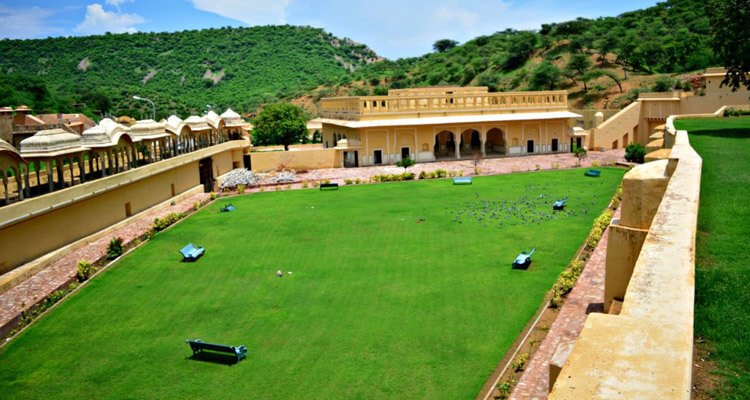
Nahargarh Fort, perched on the Aravalli hills, presents a majestic view of the Pink City and is one of the most incredible tourist places to visit in Jaipur. Established in 1734 by Maharaja Sawai Jai Singh II, the fort was originally built as a retreat and an observatory, allowing the rulers to oversee the city below. Its strategic location atop the hills helped to defend Jaipur against invasions, making it an essential watchtower in its time.
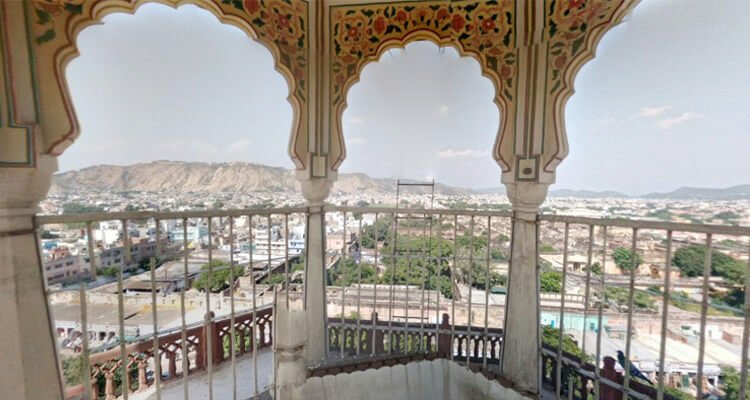
The architecture of Nahargarh Fort is a blend of Indo-European styles, offering fascinating insights into the era’s design sensibilities. The fort features intricate frescoes and spacious courtyards that evoke a sense of royal grandeur. Visitors can explore various chambers, with each telling a story of its own. Among its many attributes, the fort provides a breathtaking panoramic view, especially during sunset, making it a perfect spot for photography enthusiasts.
To make the most of a visit to this grand fort, timing is vital. The best time to visit Nahargarh Fort is during the early morning or late afternoon as the slanting sunlight bathes the fort in warm hues. For those interested in capturing stunning sunset photographs, arriving an hour before sunset is recommended. This timing allows visitors to set up their cameras and appreciate the mesmerizing transformation of the city as day turns into night, with the twinkling lights creating a magical atmosphere.
In addition to the visual spectacle, visitors can enjoy refreshments at the nearby cafes, which often offer local delicacies. Therefore, a trip to Nahargarh Fort is not just about the historical context but also about experiencing the vibrant culture of Jaipur from an elevated perspective. Its combination of history and stunning views truly cements Nahargarh Fort as one of the incredible tourist places to visit in Jaipur.
Jal Mahal: The Water Palace
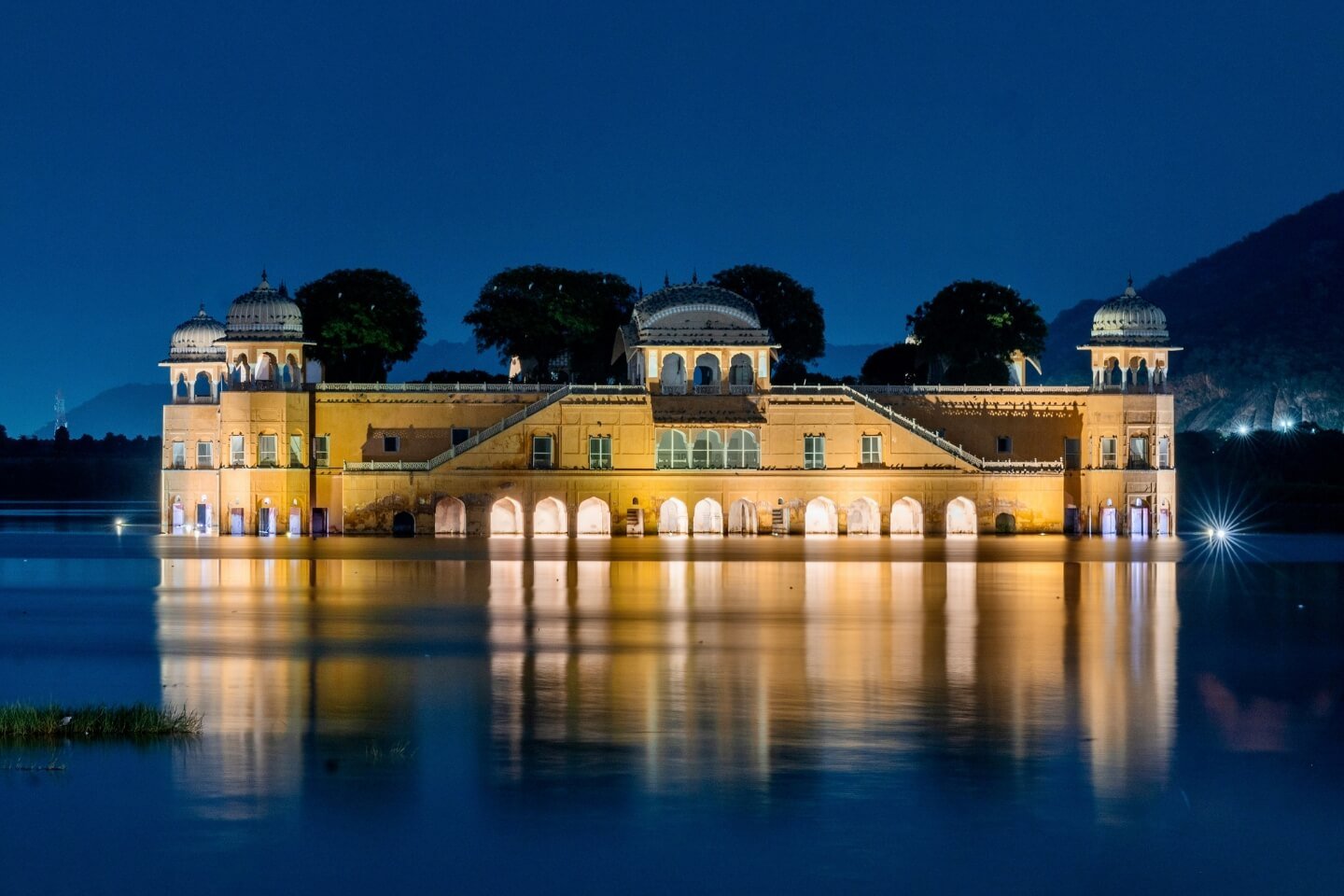
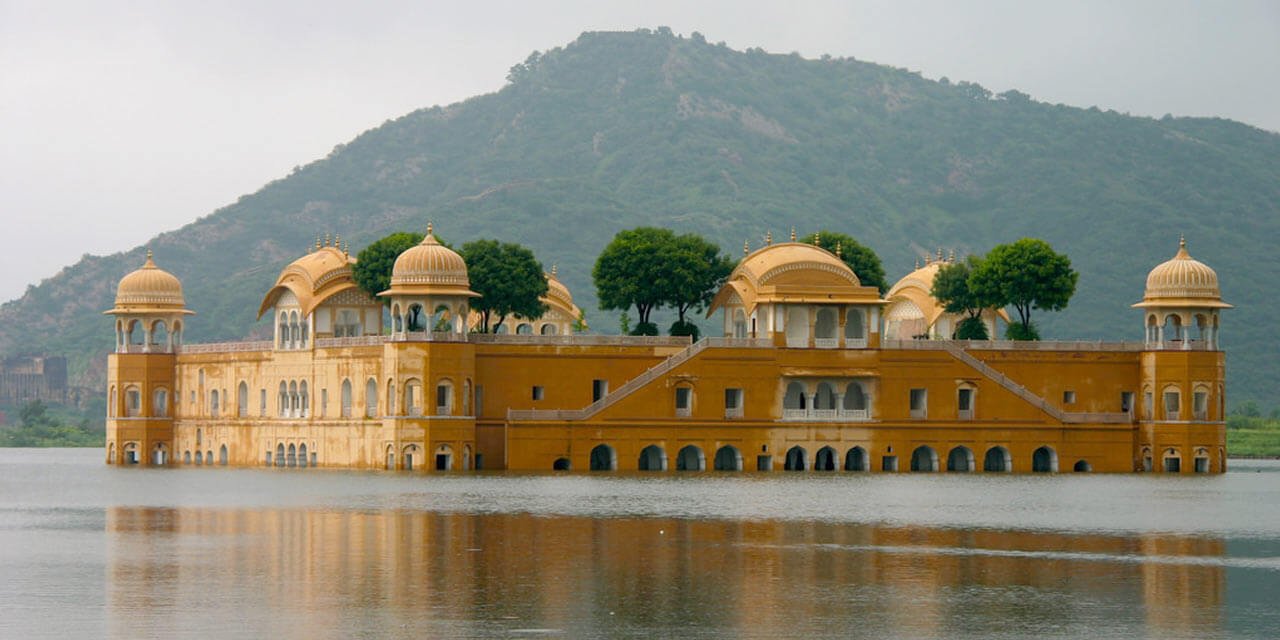
One of the most incredible tourist places to visit in Jaipur is Jal Mahal, also known as the Water Palace. Nestled amidst the serene waters of Man Sagar Lake, this architectural marvel offers a mesmerizing sight that is both calming and enchanting. The palace is renowned for its unique blend of Rajput and Mughal architectural styles, which symbolize the rich cultural heritage of Rajasthan.
The design of Jal Mahal showcases a captivating façade crafted from red sandstone, adorned with intricate latticework that reflects the expertise of skilled artisans. Remarkably, the palace comprises five levels, of which four remain submerged underwater. This innovative design not only creates an exceptional visual spectacle but also served a functional purpose, allowing the structure to maintain its stability and aesthetic beauty over the years. The stunning reflections of the palace in the lake create a picturesque scene, especially at dusk when the sunset casts a golden hue across the waters.
For photography enthusiasts, Jal Mahal offers numerous vantage points that enhance the beauty of captures. The best perspectives can often be found from the surrounding hills or during a boat ride across the lake, where the palace appears to rise majestically from the water. Early morning or late evening is considered the ideal time to photograph this incredible landmark, as natural light accentuates its grandeur and charm. Visitors are encouraged to approach the lake’s edge for closer views, though entering the palace itself remains prohibited, preserving its enigmatic aura.
Albert Hall Museum: A Cultural Treasure
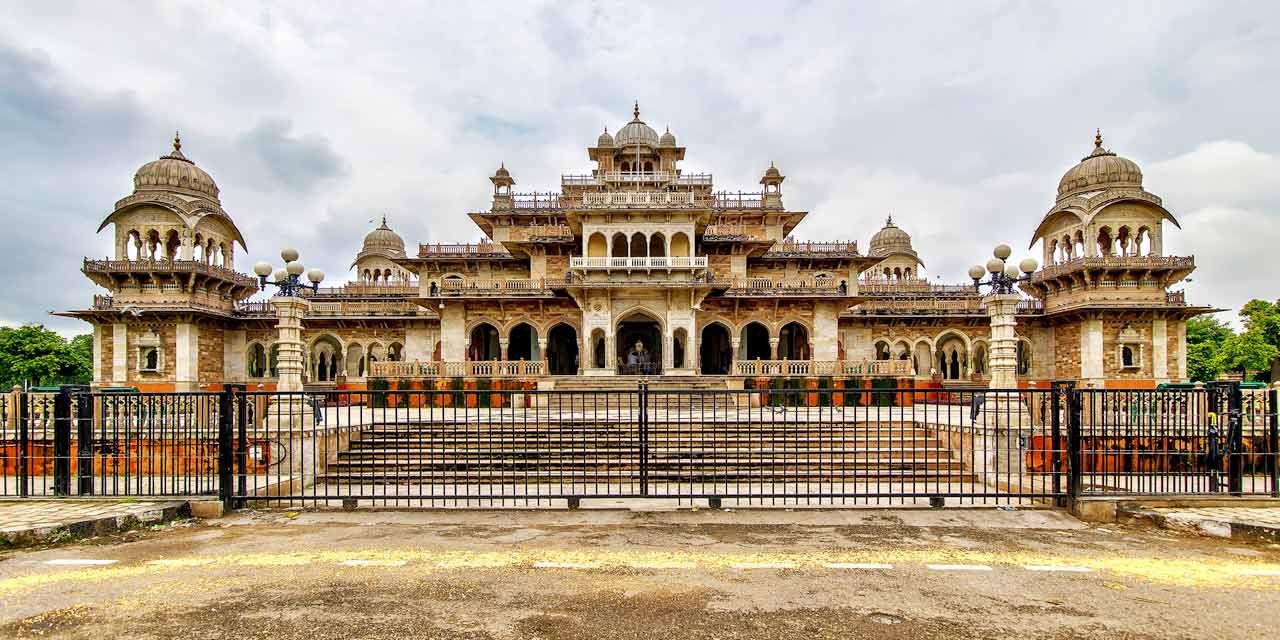
The Albert Hall Museum, located in the heart of Jaipur, stands as one of the most incredible tourist places to visit in Jaipur. This architectural gem was inaugurated in 1887 and was designed by Sir Samuel Swinton Jacob in a style that beautifully blends Indo-Saracenic and Mughal influences. Established as a museum for art and culture, it serves as a testament to Rajasthan’s rich heritage.
The museum is named after King Albert Edward, the Prince of Wales, and its splendid façade, adorned with intricate latticework and impressive domes, captivates all who visit. Inside, it houses a diverse collection of artifacts and exhibits that reflect the artistic flair and historical significance of Rajasthan, making it an essential stop for anyone interested in the region’s culture.
The collection includes an array of traditional costumes, textiles, and jewelry that showcase the craftsmanship of Rajasthani artisans. Among the most remarkable items is the heavily embroidered Kachchhi shawls and elaborate jewelry adorned with precious stones, highlighting the exquisite skills of local craftsmen. Additionally, the museum features a fascinating display of ancient coins, sculptures, and miniature paintings, offering insights into the dynasties that once ruled this vibrant state.
A special highlight is the Egyptian mummy displayed within the museum, which stands as a unique artifact among the incredible tourist places to visit in Jaipur. This rare exhibit not only attracts history enthusiasts but also sparks curiosity about ancient cultures. Furthermore, the museum’s beautiful central courtyard, surrounded by lush gardens, provides a serene space for visitors to reflect on the captivating history that permeates this cultural treasure.
Local Markets: A Shopping Paradise
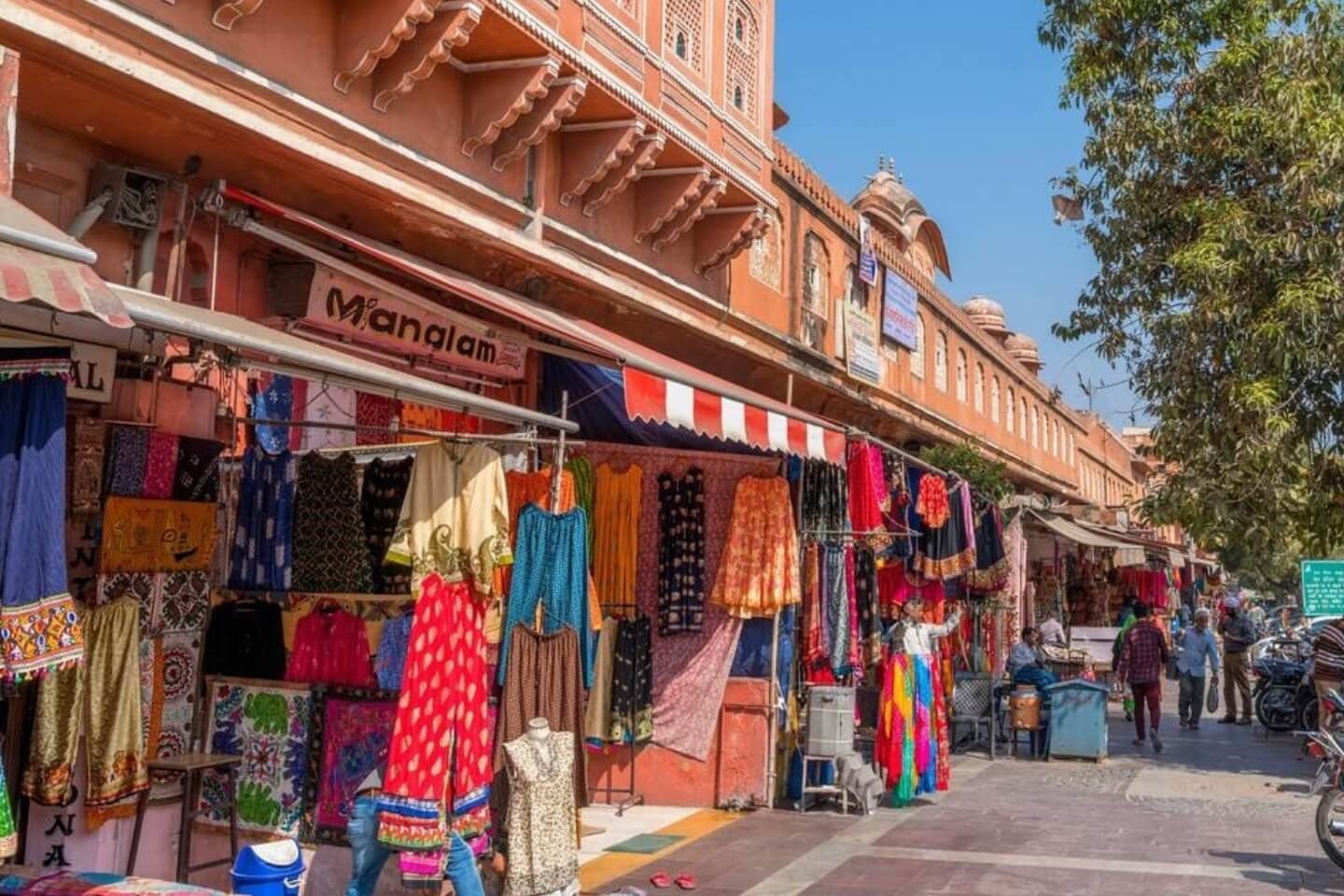
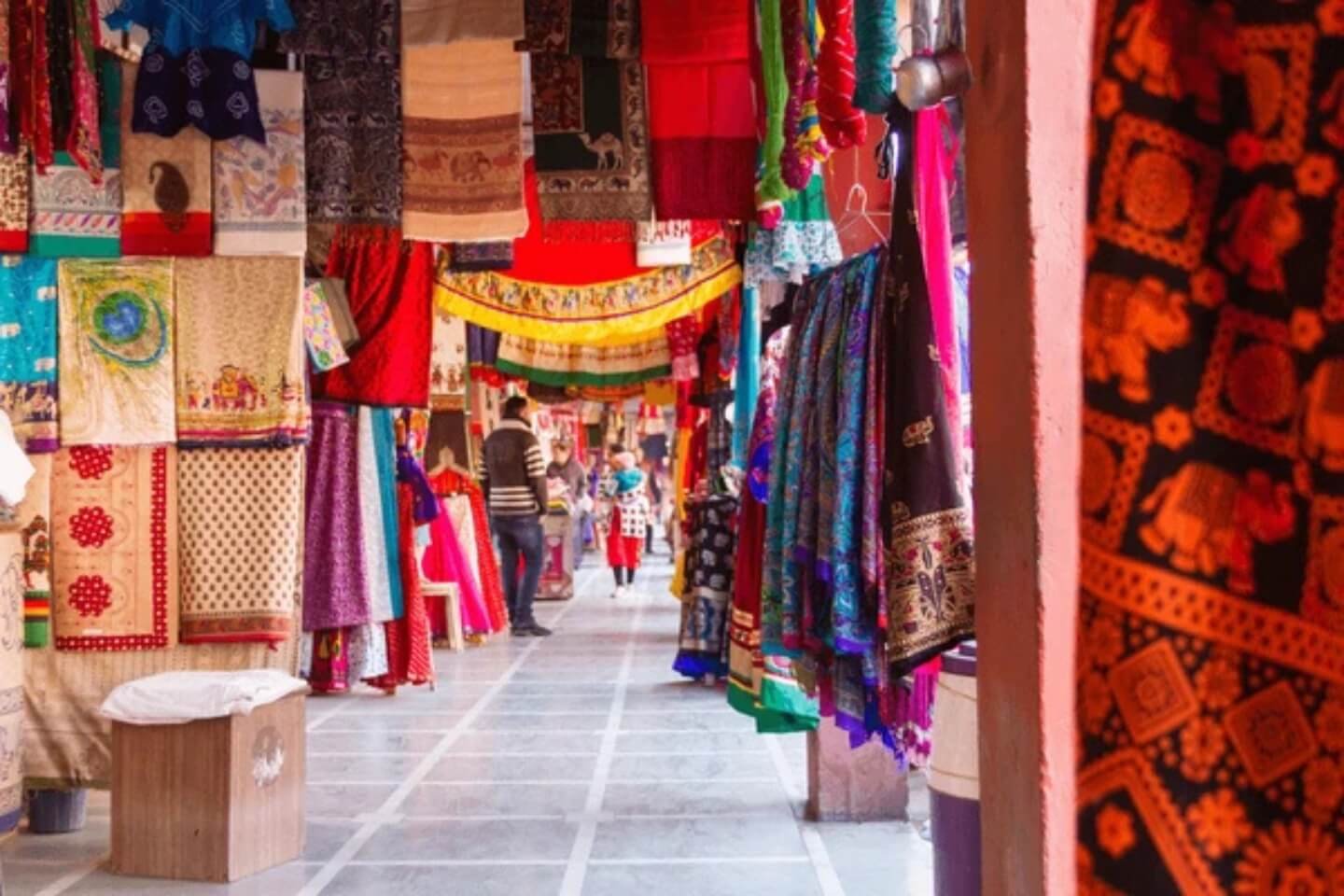
When exploring the incredible tourist places to visit in Jaipur, one cannot overlook the city’s vibrant local markets. These bazaars are a treasure trove of handicrafts, textiles, and jewelry, each offering a unique glimpse into Rajasthani culture. Notable among these are Johari Bazaar and Bapu Bazaar, where the atmosphere is filled with an array of sights and sounds that reflect the essence of Jaipur.
Johari Bazaar is famed for its exquisite jewelry. It is not just a shopping destination but also an experience where visitors can marvel at intricate designs, including traditional gold and silver jewelry adorned with precious stones. Shoppers will find everything from elegant necklaces to ornate anklets, making it a must-visit for those looking to take home a piece of Rajasthan craftsmanship.
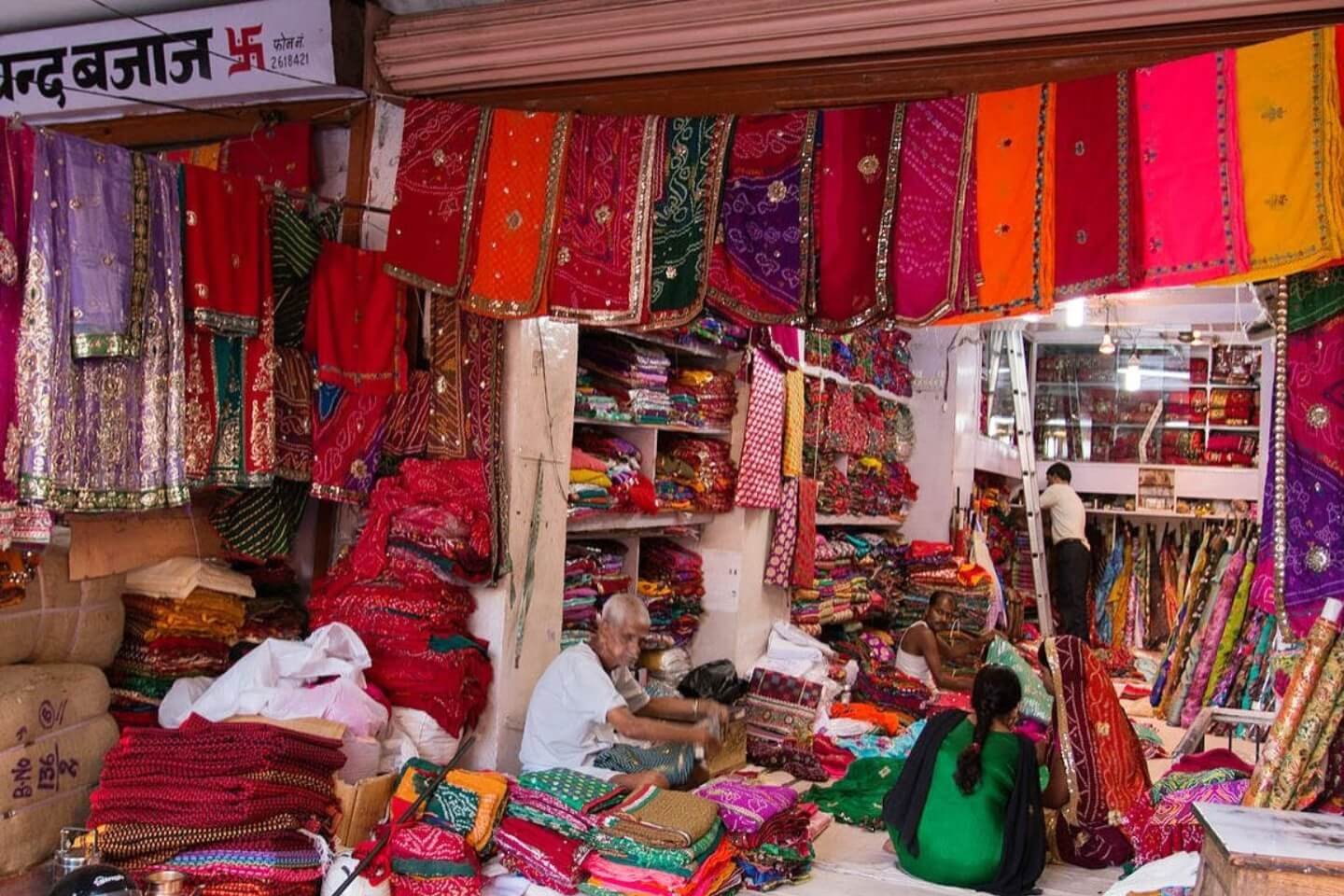
Bapu Bazaar, on the other hand, offers a diverse range of textiles and handicrafts. Here, one can find vibrant fabrics that showcase traditional block printing techniques, along with colorful scarves and beautiful attire. The market is also known for its leather goods and pottery, providing an extensive selection for those wanting to explore the local craftsmanship further.
Bargaining is a crucial aspect of the shopping experience in these markets. Vendors often expect haggling, and skills in negotiation can lead to substantial discounts. It is advisable to start with a price significantly lower than what you are willing to pay, and gradually work your way up to a mutually acceptable figure. Additionally, engaging with the shopkeepers can make the experience more enjoyable, as many of them share fascinating stories and insights about their products.
Capturing the vibrant market atmosphere through photography is also encouraged. The colorful displays of goods, busy streets bustling with locals and tourists alike, and the warm smiles on vendors’ faces provide an excellent opportunity for memorable snapshots. Thus, when visiting the incredible tourist places to visit in Jaipur, immersing oneself in the local markets is an essential experience that should not be missed.
A Journey Through the Pink City
Jaipur, famously known as the Pink City, offers an extraordinary mix of history, culture, and architectural brilliance. As we delve into some of the incredible tourist places to visit in Jaipur, one cannot help but be mesmerized by the grand palaces and forts that tell tales of a bygone era. The magnificent Amer Fort, the elegant City Palace, and the iconic Hawa Mahal stand as testaments to the city’s rich heritage and artistic achievements.
The vibrant bazaars such as Johari Bazaar and Bapu Bazaar invite visitors to explore an array of traditional handicrafts, textiles, and gemstones, allowing them to immerse themselves in the local culture. As you wander through these bustling markets, you will not only find unique souvenirs but also interact with the warm-hearted locals who exude the essence of Rajasthan.
Furthermore, Jaipur’s culinary landscape is equally enticing, offering a diverse selection of dishes that capture the essence of Rajput hospitality. From mouth-watering dal baati churma to delectable ghevar, the flavors of Jaipur are sure to tantalize your taste buds.
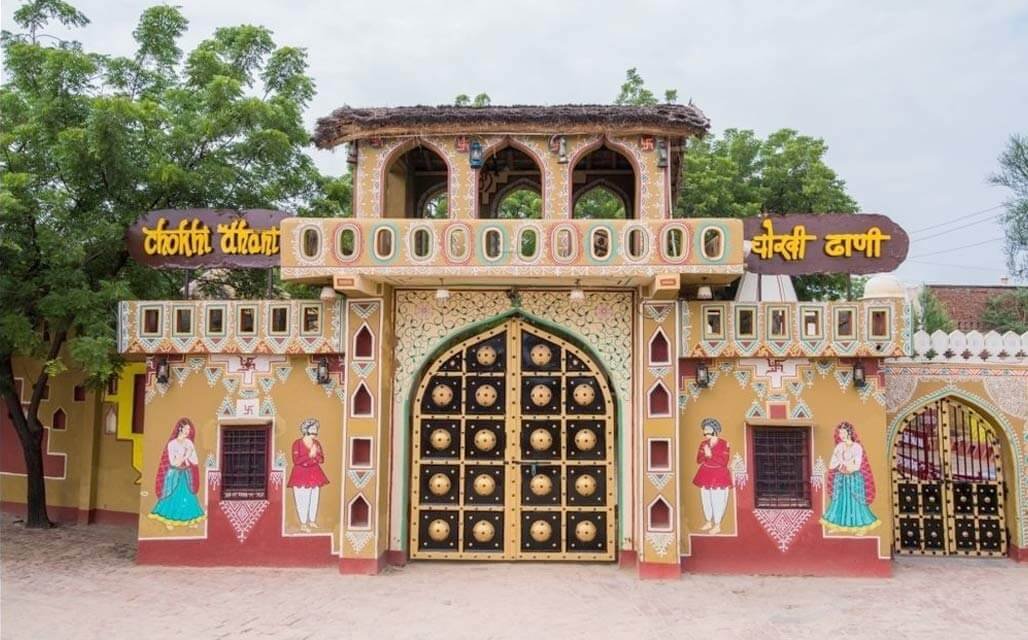
Each incredible tourist place to visit in Jaipur contributes uniquely to the overall charm of the city. Whether it is the breathtaking views from Nahargarh Fort or the cultural experiences at Chokhi Dhani, every moment spent in this vibrant city is unforgettable. So, if you ever have the chance to explore Jaipur, take it. It promises a journey rich in history and vibrant culture.
We encourage you to share your experiences and photographs if you have had the pleasure of visiting this remarkable city. Your stories contribute to the allure of Jaipur and inspire others to embark on their own adventures through the heart of Rajasthan.