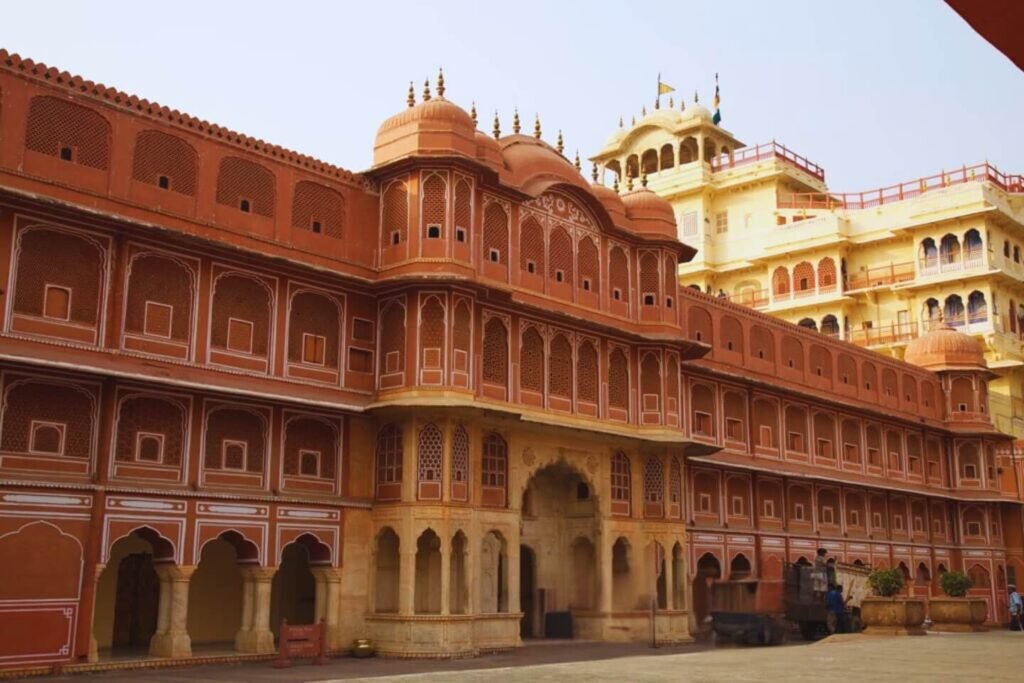
The Maharaja Sawai Man Singh II Museum, popularly known as the City Palace Museum, is one of India’s most prestigious heritage repositories. Established in 1959 by converting a portion of the City Palace, it houses an unparalleled collection of 17th-century carpets, royal weaponry, rare manuscripts, and vintage transport systems. For anyone seeking to understand the opulence and history of the Kachwaha Rajput dynasty, this museum is an essential stop.
🕒 Entry Fee & Timings (2026)
Visiting the museum is part of the larger City Palace experience. Prices include still camera charges for your convenience.
| Category | Indian Nationals | Foreign Nationals |
| Adults | ₹130 | ₹400* |
| Children (5–12 yrs) | ₹70 | ₹250 |
| Students / Defence | ₹70 | ₹250 |
| Video Camera | ₹300 | ₹300 |
*Note: The foreign national ticket is often a composite ticket that includes entry to Jaigarh Fort.
Museum Timings: 9:30 AM – 5:00 PM (Daily)
Last Entry: 5:00 PM (Visitors must vacate galleries by 5:30 PM).
Location: The City Palace, Tripolia Bazar Road, Jaipur, Rajasthan 302002.
Contact: +91 141 4088 888
🏛️ Top Galleries & Attractions
1. Mubarak Mahal (Textile Gallery)
This gallery displays the exquisite wardrobe of the Jaipur royals.
The Giant King: Look for the Atmasukha (padded coat) of Maharaja Sawai Madho Singh I, who was reportedly 7 feet tall and weighed 250 kg.
Rare Textiles: See the 1650 Pashmina carpet and delicate Dhaka Muslin, alongside the polo outfits of Maharaja Sawai Man Singh II.
2. Silleh Khana (Arms & Armoury)
Widely considered the finest arms collection in India.
The 5kg Sword: Admire the massive “Khanda” sword of Maharaja Sawai Ram Singh II.
Watered Steel: Explore rare helmets and daggers made from expensive watered steel, used only by the highest-ranking warriors.
3. Sabha Niwas (Hall of Public Audience)
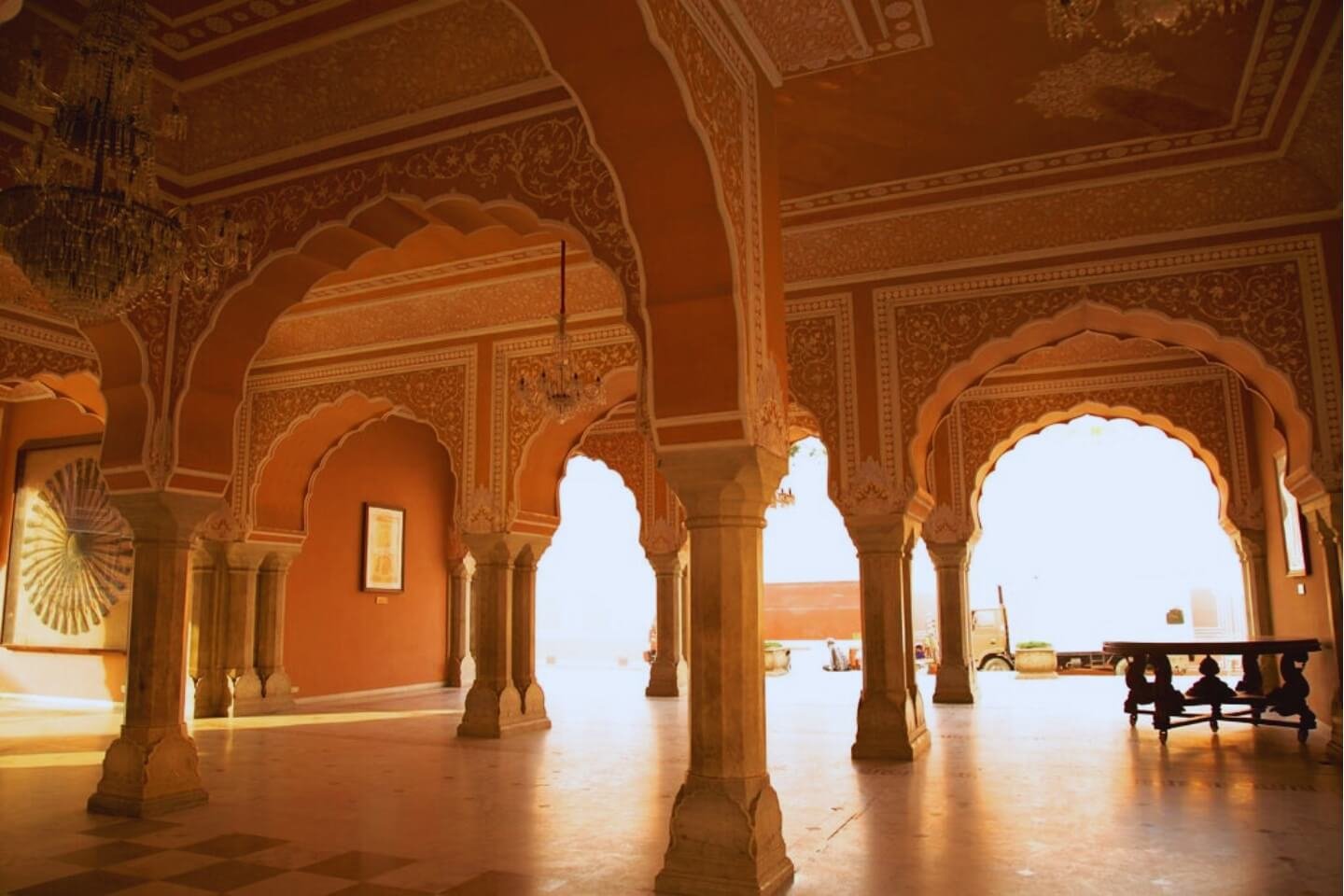
Commonly known as the Diwan-e-Aam, this hall features two massive thrones, crystal chandeliers, and rare miniature paintings that depict Indian festivals and seasons.
4. Baggi Khana (Transport Gallery)
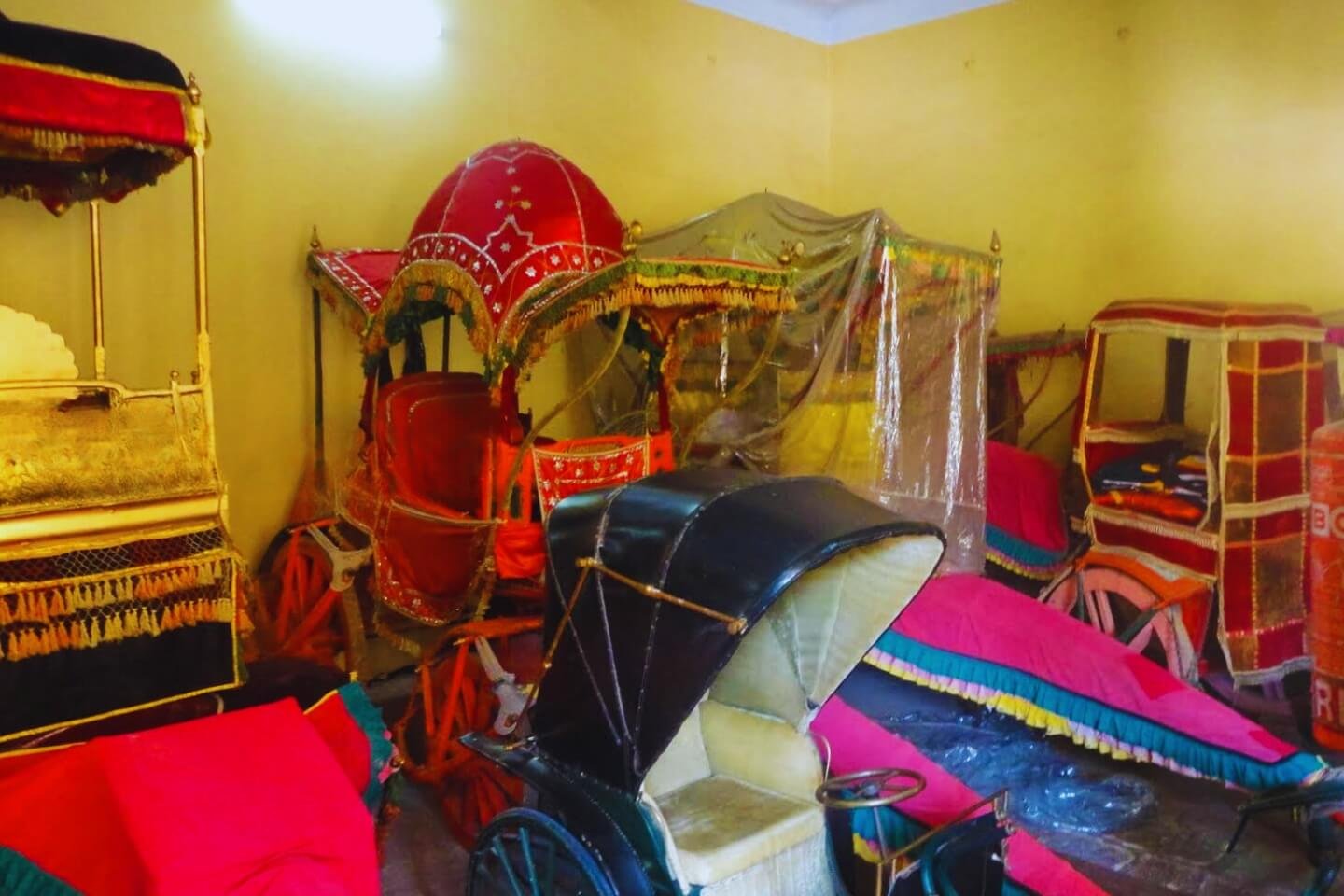
Step back into the pre-motorized era. This gallery showcases royal chariots (baggis), palanquins (palkis), and camel saddles, illustrating how the royals traveled in style across the desert.
5. Pothikhana (Archives & Library)
A sanctuary for scholars, housing over 7,800 handwritten manuscripts including the Vedas, Puranas, and Bhagwat Geeta in Persian, Sanskrit, and Rajasthani.
📍 Nearby Places to Visit
Govind Ji Temple: Located within the palace complex; witness the beautiful daily Aarti.
Jantar Mantar: A UNESCO World Heritage site featuring the world’s largest stone sundial.
Tripolia Bazar: Famous for Lach (lacquer) bangles and traditional Rajasthani footwear (juttis).
🚗 How to Reach & Traveler Tips
By Cab: Hiring a private taxi is the most comfortable way to navigate the Old City traffic.
By Metro: Get off at the Badi Chaupar station for a short 5-minute walk to the entrance.
Journalist Access: Entry is free for journalists with a valid authorized press ID.
Golf Carts: Available for ₹150 for those who find the large palace courtyards difficult to navigate on foot.
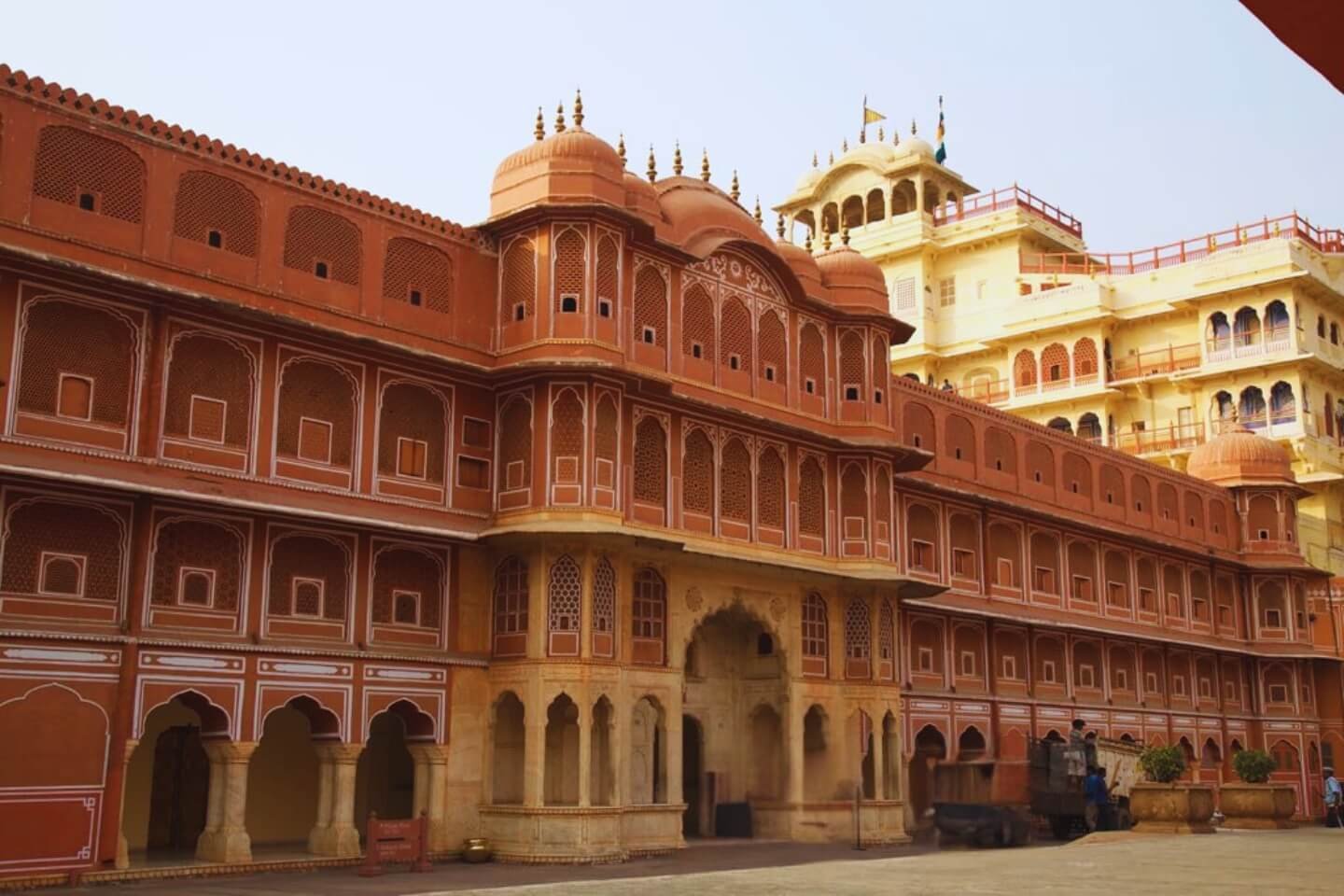
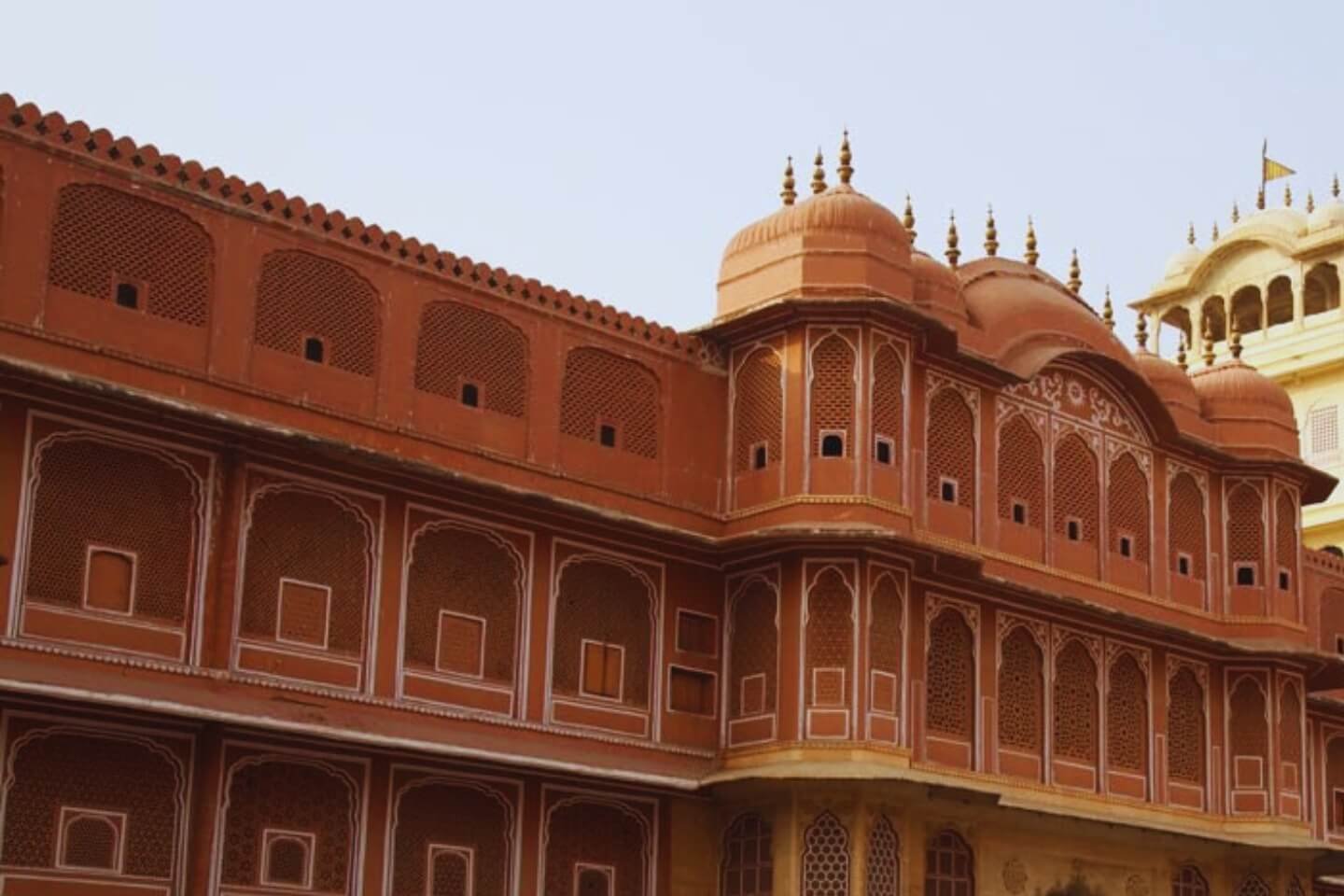
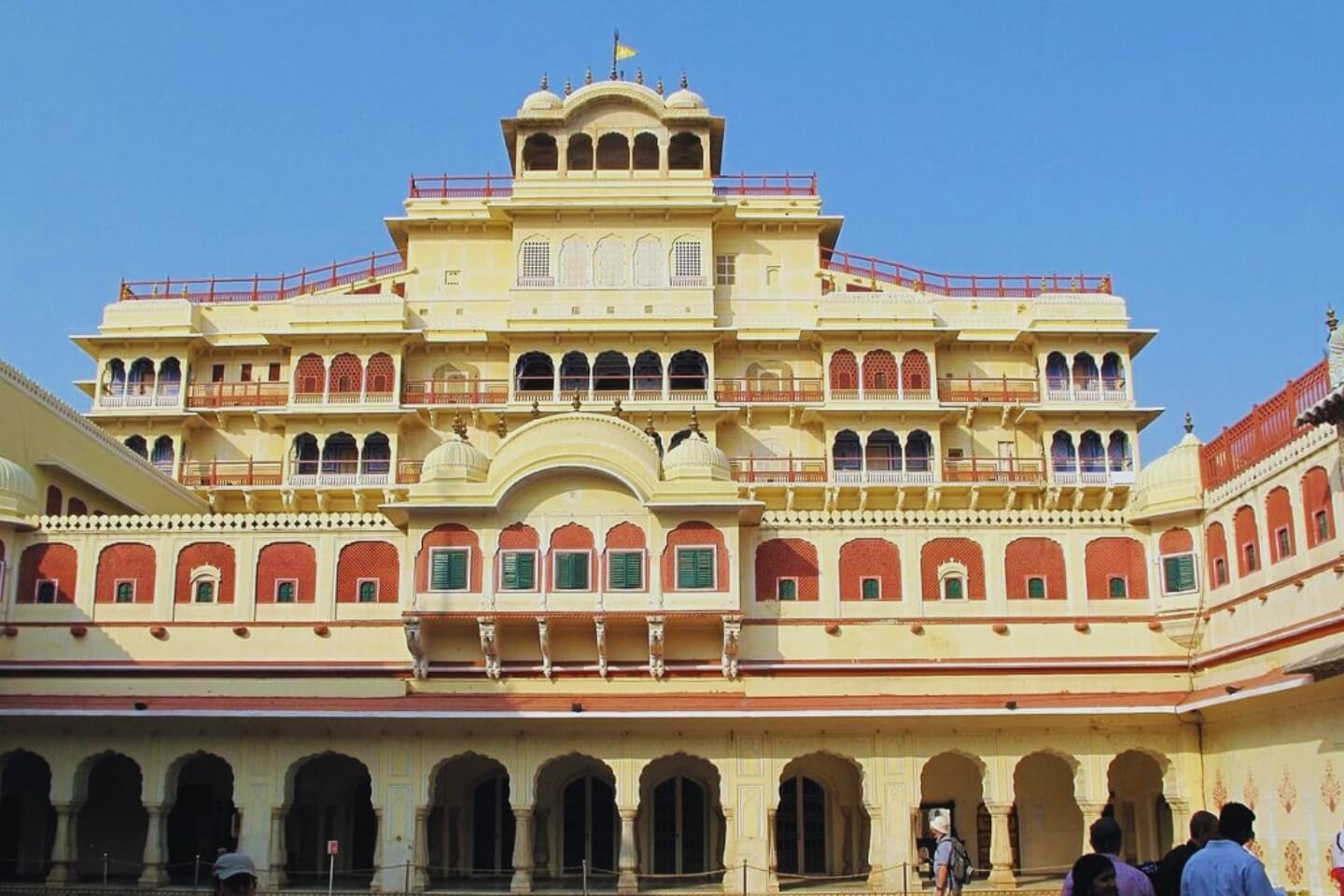
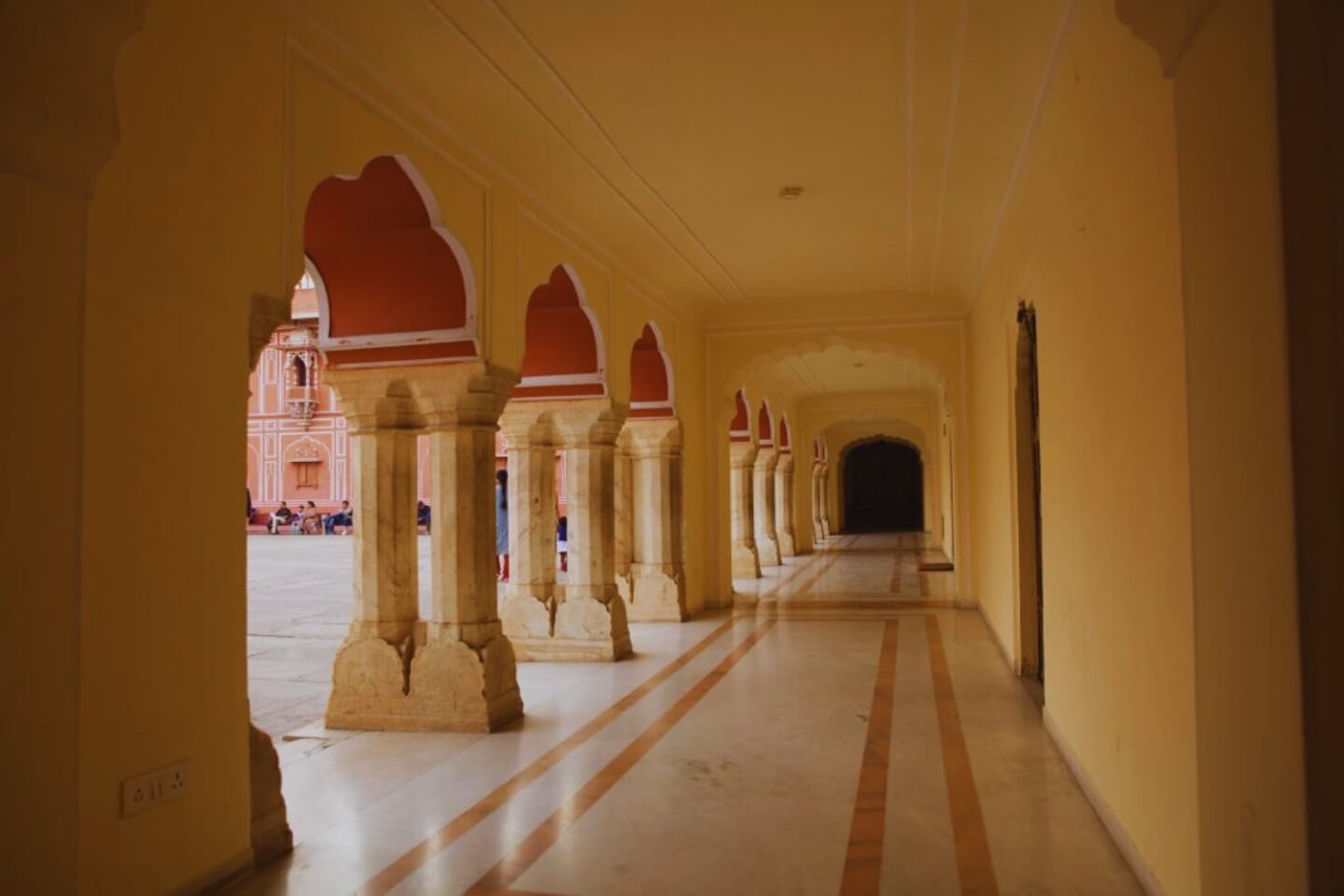
Navigating the City Palace complex can be like walking through a beautiful, historical maze. This “Gallery Navigator” is designed to help you move efficiently through the Maharaja Sawai Man Singh II Museum galleries so you don’t miss a single royal treasure.
🏛️ The Museum Floor Plan: A Strategic Route
Most visitors enter through the Atish Pol (Stable Gate) or Udai Pol. Once you are inside, follow this clockwise route to save time and energy.
1. The Mubarak Mahal (Center of the First Courtyard)
The Gallery: Textile & Costume Gallery (Ground Floor).
What’s inside: This is where you’ll see the massive robes of Madho Singh I and the 17th-century Pashmina carpets.
Navigation Tip: This is the standalone building in the middle of the first courtyard. Start here!
2. The Silleh Khana (Northwest Corner)
The Gallery: Arms & Armoury.
What’s inside: The 5kg sword and watered-steel daggers.
Navigation Tip: Look for the building adjacent to the Mubarak Mahal. It feels like entering a high-security vault.
3. Sabha Niwas (Diwan-e-Aam)
The Gallery: Hall of Public Audience.
What’s inside: The massive red-and-gold hall with thrones and crystal chandeliers.
Navigation Tip: Move toward the eastern side of the complex. It is a large, open-pillared hall that is hard to miss.
4. Sarvato Bhadra (Diwan-e-Khas)
The Gallery: Hall of Private Audience.
What’s inside: The world-record Silver Urns (Gangajelies).
Navigation Tip: Pass through the Rajendra Pol (guarded by two marble elephants). The Diwan-e-Khas is the open pink square pavilion in the center of this inner courtyard.
5. Painting & Photography Gallery
The Gallery: Modern Visual Arts.
What’s inside: Over 3,000 paintings and the personal photography equipment of the “Photographer Prince,” Ram Singh II.
Navigation Tip: Located in the Sawai Bhawani Singh Building, usually the final stop before you head toward the Peacock Gate.
6. Baggi Khana (Near the Exit)
The Gallery: Transport Gallery.
What’s inside: Royal chariots, palanquins, and the Victoria Baggi gifted by the British.
Navigation Tip: This is typically located near the exit gates (Tripolia Gate area). It’s the perfect “final look” at the royal lifestyle before you step back into the city streets.
📋 Museum Facilities Map
| Facility | Location |
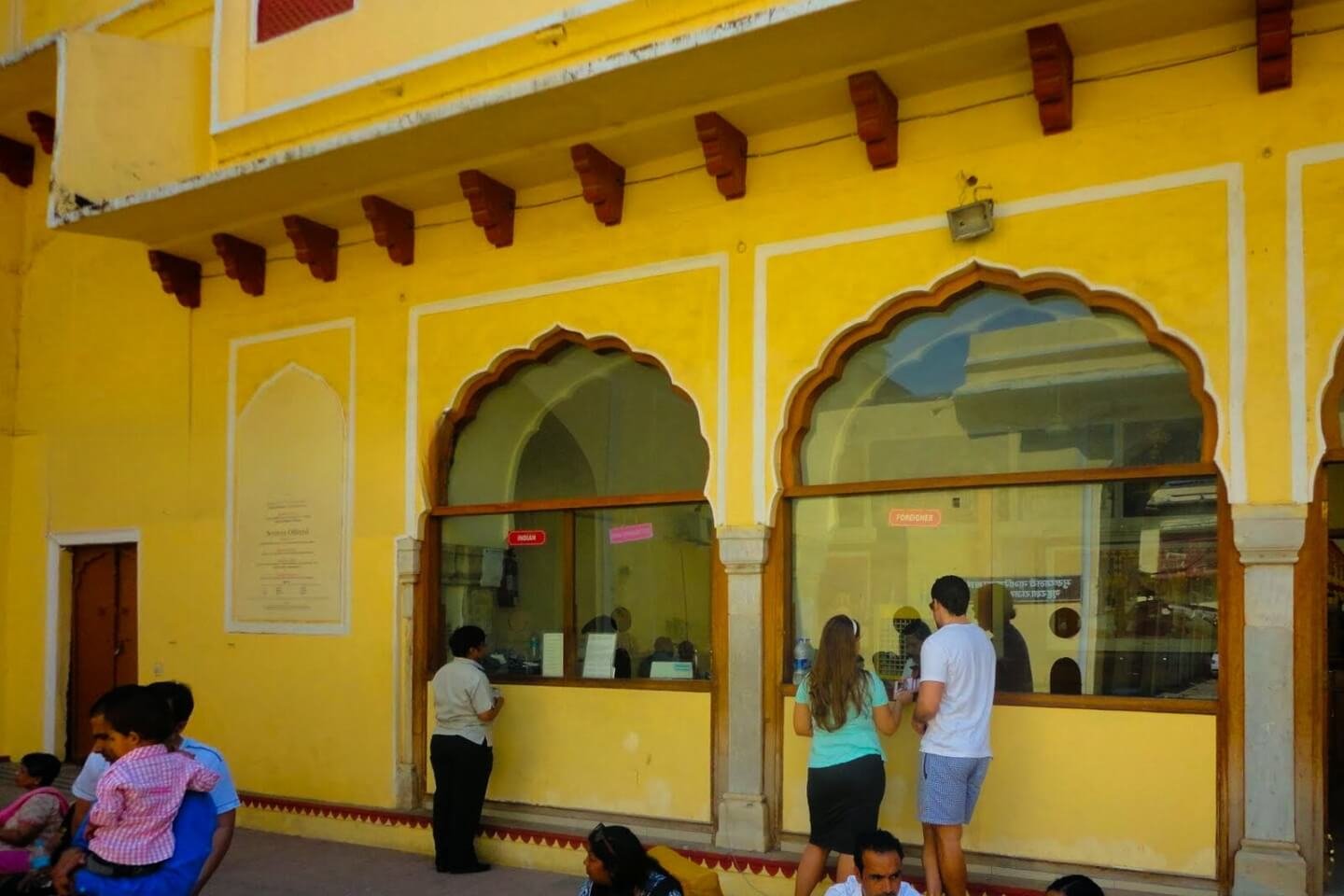
| Ticket Counter | Main Entrances (Atish Pol / Udai Pol) |
| Golf Cart Pickup | Near the Main Entrance (Atish Pol) |
| Restrooms | Behind the Mubarak Mahal & Near the Museum Shop |
| Museum Shop | Near the Baggi Khana (Transport Gallery) |
| Cafe / Water | The Palace Cafe is located in the first courtyard |
💡 Insider “Pro” Tips
The “Pritam Niwas” Shortcut: If you want the famous Peacock Gate photo, it is located in the courtyard behind the Diwan-e-Khas. Do this after Step 4.
Look Up: In the Sabha Niwas, don’t just look at the artifacts. The ceiling murals and the sheer height of the chandeliers are works of art themselves.
App Guide: Keep an eye out for QR codes near the entrance; the museum often provides a digital audio guide that syncs with this layout.
