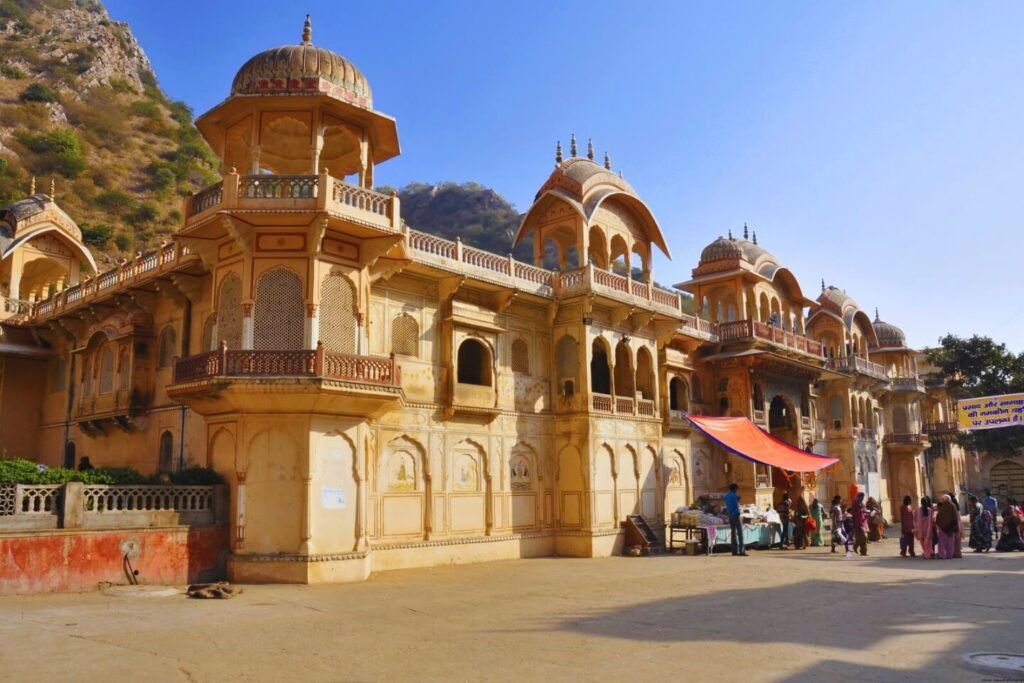
Tucked away in a lush valley at Laxman Dungri, Khole Ke Hanuman Ji is arguably Jaipur’s most beloved temple dedicated to Lord Hanuman. Surrounded by hills on three sides, this magnificent complex is famous not only for its deep spiritual vibes but also for its grand Rajput-Mughal architecture and the unique tradition of Sawamani feasts.
🕒 Visitor Information: Entry Fee & Timings (2026)
True to the spirit of service, entry to this sprawling temple complex is free for everyone.
| Category | Details |
| Entry Fee | Free (No Ticket Required) |
| Mon, Wed, Thu, Fri, Sun | 5:00 AM – 11:00 PM |
| Tue & Sat (Special Days) | 5:00 AM – 12:00 AM (Midnight) |
| Evening Aarti | Around 8:30 PM (Highly Recommended) |
| Location | Laxman Dungri, Delhi Road, Near Galta Gate, Jaipur |
🏛️ History, Legend & The Name
The temple was founded in 1960 by Pandit Radhe Lal Choubey. Legend has it that he discovered a rock carved with the image of Lord Hanuman in what was then a deserted valley.
The Name: The word “Khole” or “Khola” translates to valley in the local dialect, signifying the temple’s unique location nestled within the Aravalli folds.
The Expansion: What started as a tiny 100-square-foot shrine has grown into a massive multi-acre complex that can accommodate thousands of devotees at once.
✨ Architectural Splendor
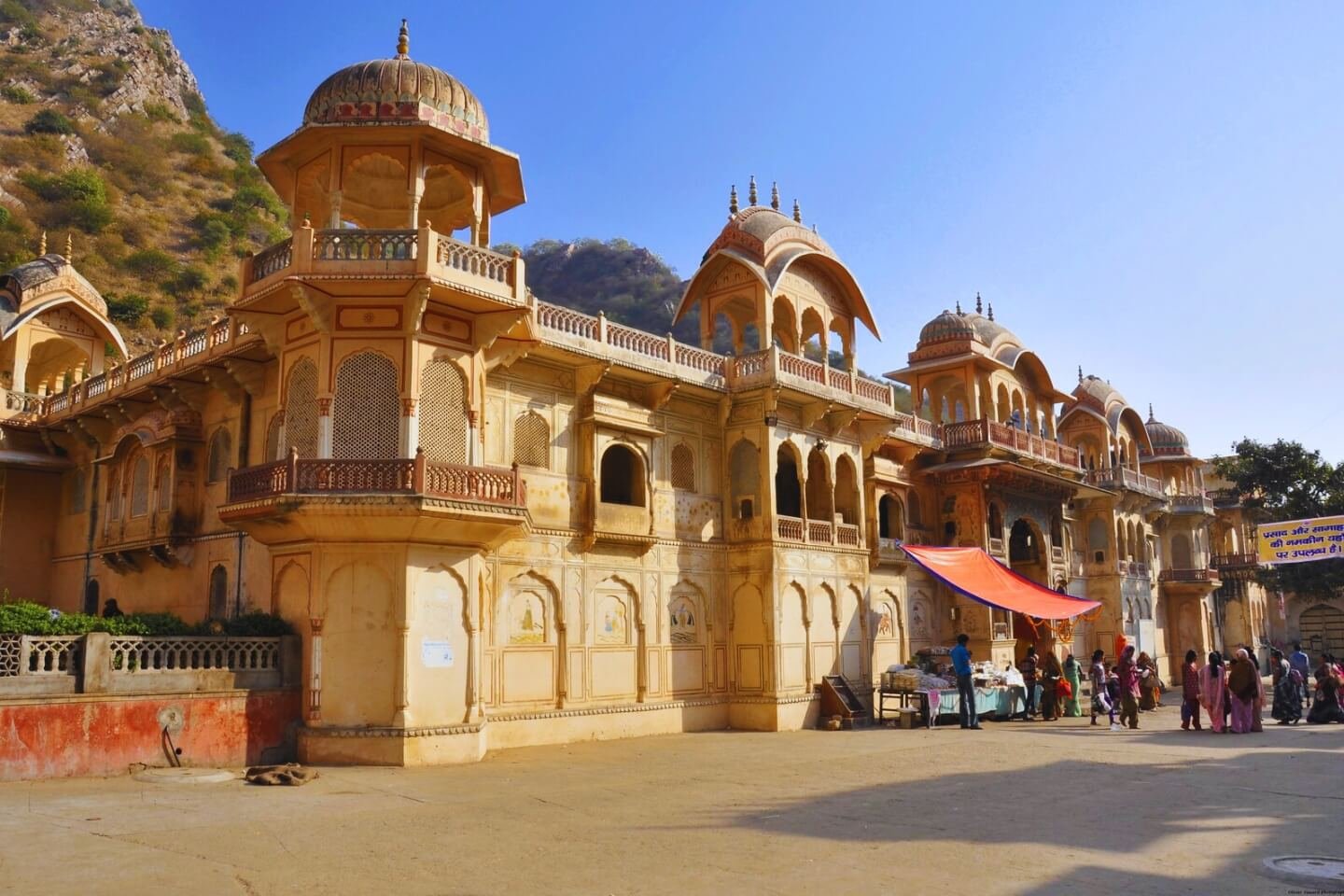
Unlike many simple temples, Khole Ke Hanuman Ji looks like a Rajput Palace.
Materials: Built using premium Dholpur sandstone and marble.
Features: The structure is adorned with intricate jaali (latticed) windows, elegant chhatris (cenotaphs), and carved columns that echo the grandeur of the City Palace.
The Deities: While Hanuman Ji is the presiding deity, the complex also houses shrines for Lord Ram, Ganesha, Shiva, and Goddess Durga, including replicas of the 12 Jyotirlingas.
🍛 The Famous “Sawamani” Tradition
A visit here is incomplete without witnessing or participating in a Sawamani.
What is it? A ritual where devotees offer roughly 51 kg (one ‘Mani’) of food—usually Dal, Baati, and Churma—as a thank-you for fulfilled wishes.
The Kitchens: The temple houses over 20 massive kitchens capable of feeding over 5,000 people simultaneously.
The Prasad: If you are visiting, keep an eye out for these community feasts; the Dal-Baati cooked here is legendary for its authentic Rajasthani wood-fired flavor.
🚗 How to Reach & Logistics
Accessibility: The temple offers free battery-operated vehicles to ferry senior citizens and differently-abled visitors from the parking area to the main shrine.
From Railway Station (11 km): A 30-minute drive via the Delhi Road.
From Johari Bazar (7 km): Very close to the old city; an auto-rickshaw or e-rickshaw is the most convenient option.
Parking: There is a large, dedicated parking lot outside the complex.
💡 Expert Traveler Tips for 2026
Monkey Warning: Being in a valley, the temple has many resident monkeys. Avoid carrying plastic bags or loose food items in your hands.
Evening Views: Visit just before sunset. The view of the temple lights reflecting against the dark Aravalli hills is one of the most peaceful sights in Jaipur.
Footwear: You will need to walk a bit within the complex; wear comfortable shoes, but remember you’ll need to remove them before entering the various shrines.
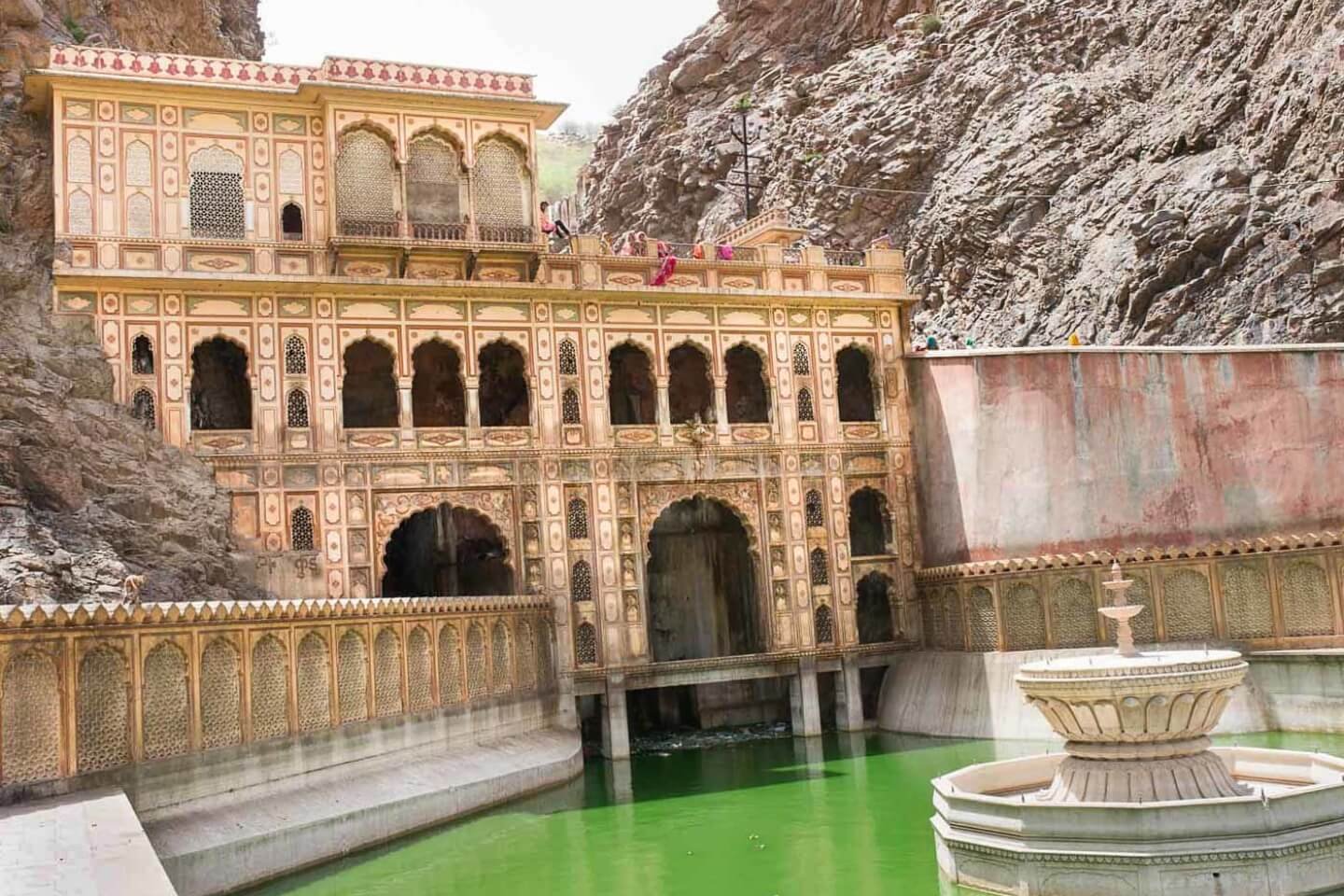
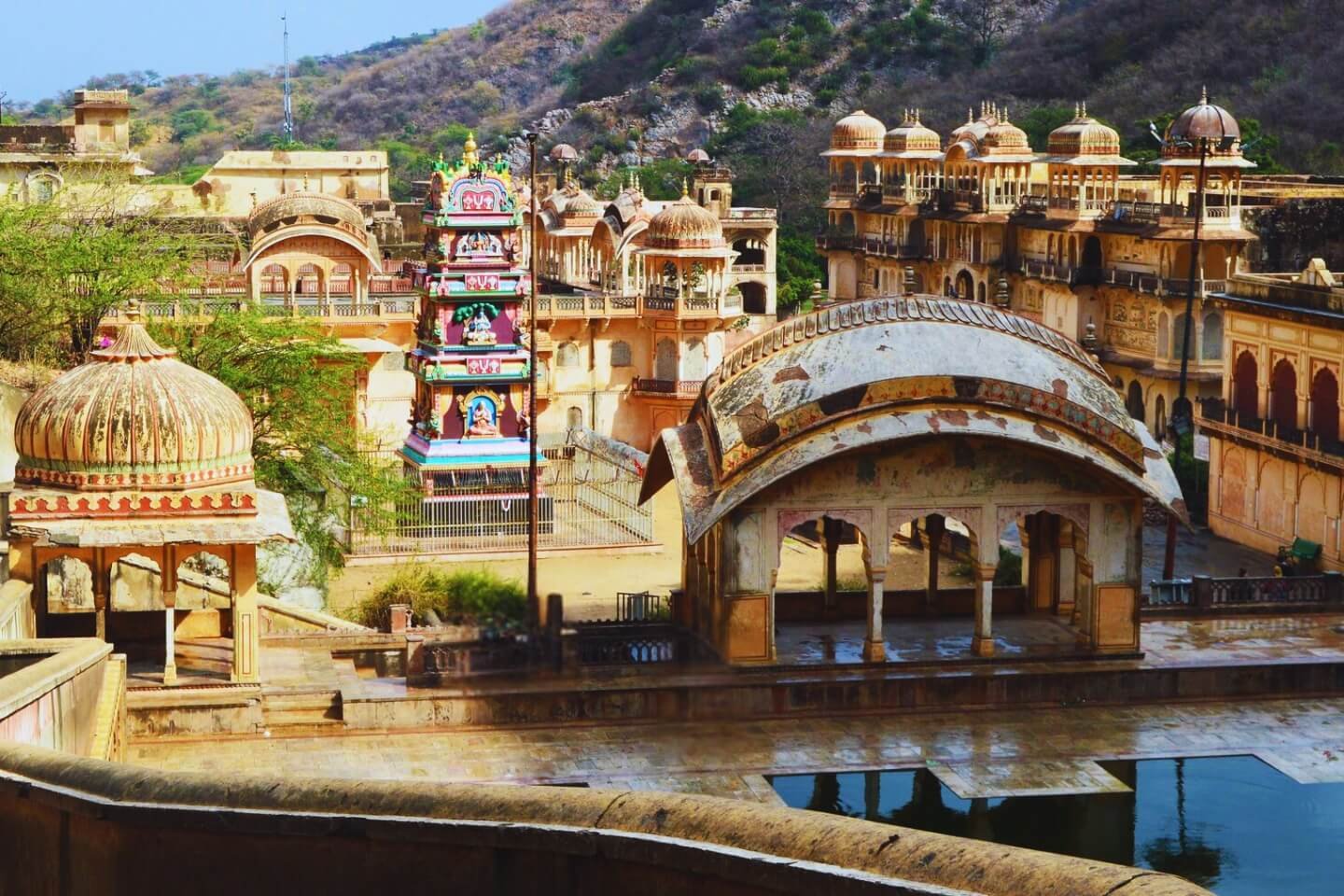
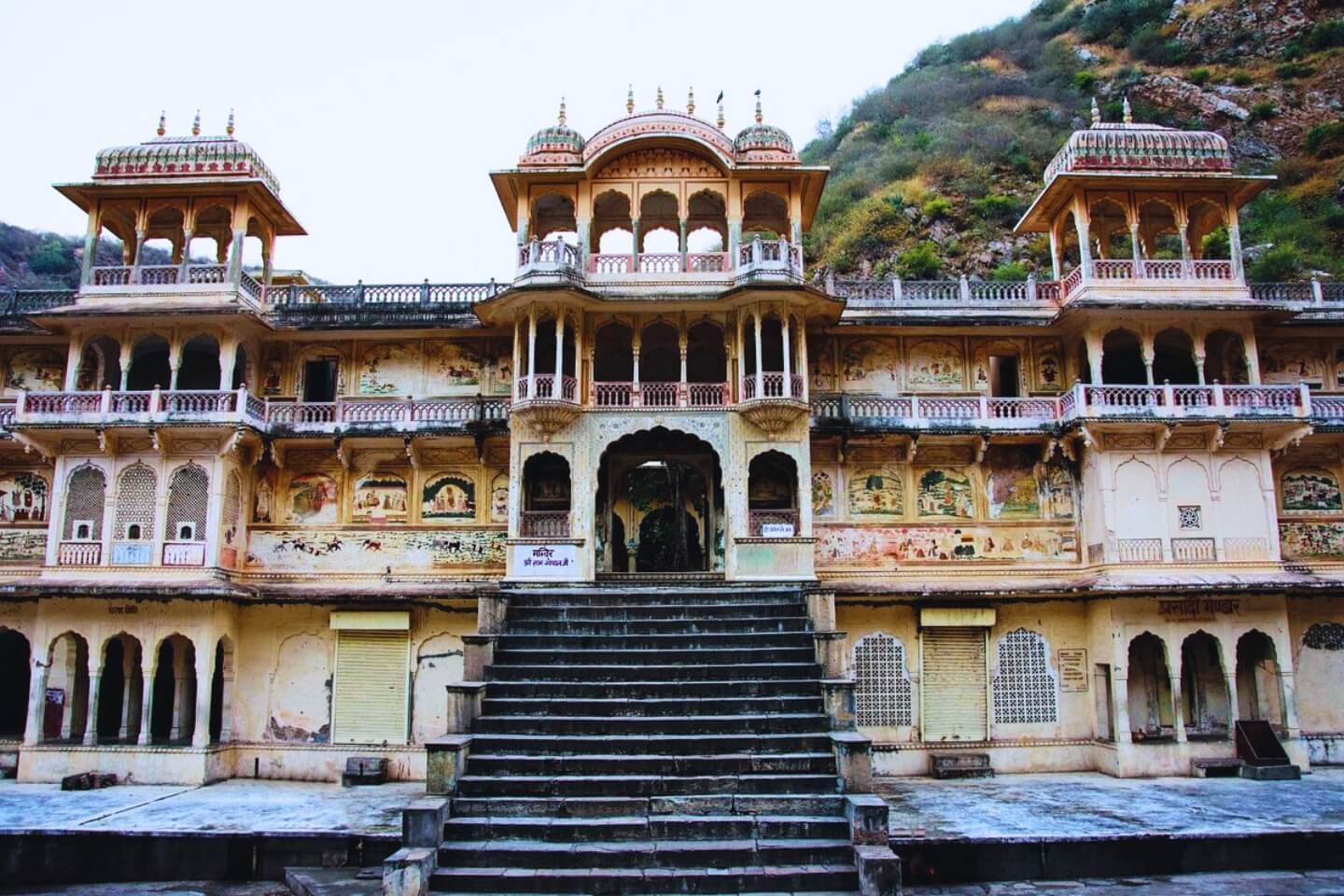
This “Temple & Trek” guide is for those who want to combine the architectural beauty of Khole Ke Hanuman Ji with the raw, ancient energy of the Galta Ji (Monkey Temple).
While most tourists drive to these locations separately, a “secret” mountain trail connects them through the rugged Aravalli hills, offering the best panoramic views of Jaipur.
🏔️ The Aravalli Temple Trek: Khole Ke Hanuman Ji to Galta Ji
This route takes you from the modern grandeur of the Hanuman temple into the ancient, sun-drenched valley of the monkeys.
Trek Overview
Distance: ~2.5 to 3 km (One Way)
Difficulty: Moderate (Steep start, then winding descent)
Time: 60 – 90 Minutes
Best Time: Start at 6:30 AM (for sunrise) or 4:00 PM (to reach Galta Ji for evening Aarti).
The Route: Step-by-Step
1. The Ascent (Laxman Dungri)
Start your journey at Khole Ke Hanuman Ji Temple. After your darshan, head toward the hilltop portion of the complex (near the new Vaishno Devi Ropeway area).
Pro-Tip: If you want to skip the first steep climb, you can take the Ropeway (₹150) to the top and begin your trek from the Vaishno Devi shrine level.
2. The Ridge Walk
Once on the ridge of the Laxman Dungri hill, follow the established stone-path trail heading south/southeast.
The View: To your right, you will see the entire expanse of Jaipur city. To your left, the wild, untouched Aravalli valley.
The Landmark: Look for the Sun Temple (Suraj Devra) perched on the highest peak between the two valleys. It’s the perfect spot for a “Golden Hour” photo.
3. The Descent into Galta Ji
From the Sun Temple, the path begins a winding descent into a narrow gorge. As you walk down, the grand pink sandstone structures of the Galta Ji Kunds (sacred pools) will slowly emerge from the valley floor.
The Monkey Welcome: This is where you will first encounter the rhesus macaques and langurs. Keep your bags zipped!
🎯 Must-See Stops Along the Trek
Sun Temple: A small, peaceful shrine offering a 360-degree view of the city. It is often much quieter than the main temples.
Galta Kund: The holiest of the seven tanks. Watch the locals (and sometimes the monkeys!) take a ritual dip in the natural spring water.
Shri Ram Gopal Ji Temple: The main heritage temple at the bottom of the valley, famous for its frescoes and haveli-style architecture.
⚠️ Safety & Essentials for 2026
Monkey Protocol: Do not carry food or plastic bags openly. The monkeys are “experts” at snatching. If they approach you, walk calmly and do not make direct eye contact.
Hydration: There are no shops on the ridge. Carry at least 1 liter of water.
Footwear: Wear shoes with a good grip. The stone paths can be slippery, especially if they are wet or covered in sand.
Safety: While the trail is used by locals, it is best to trek in a group. If you are a solo traveler, aim to go during the morning hours (8 AM – 10 AM) when there are more people on the path.
How to Return
Option A: Trek back the same way (more physically demanding).
Option B: Walk out of the Galta Ji main gate (the East side) and take a Tuk-Tuk (approx. ₹300) back to the city or your starting point at Khole Ke Hanuman Ji.
