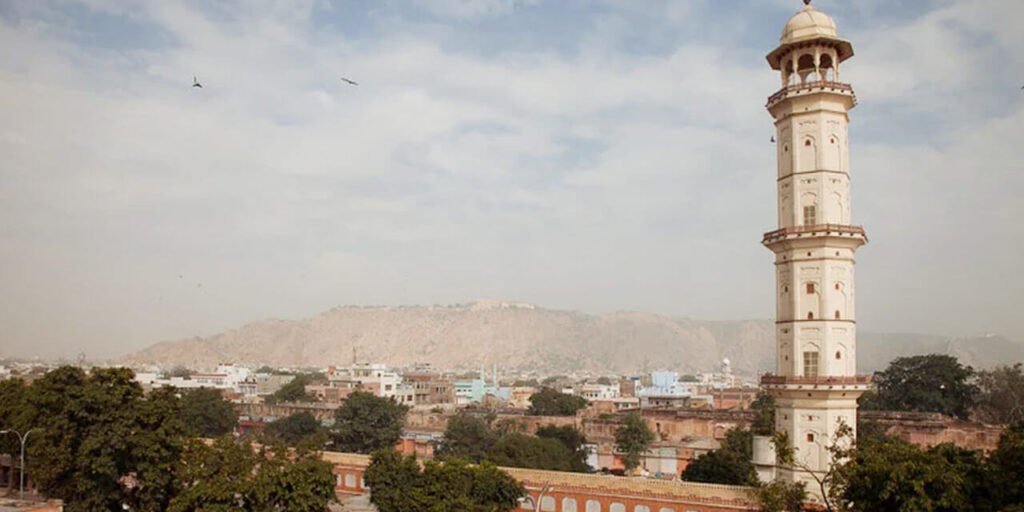
In the heart of the bustling Tripolia Bazaar stands Swargasuli Tower, also known as Isar Lat. Built in 1749 AD by Maharaja Sawai Ishwari Singh, this 140-foot-tall octagonal tower was constructed to commemorate his grand victory over his half-brother Madho Singh in the Battle of Rajmahal. Today, it serves as the ultimate “watchtower” for travelers looking to capture a 360-degree panoramic view of the Pink City’s grid-like layout.
🕒 Visitor Information: Entry Fee & Timings (2026)
Swargasuli is a hidden gem that remains less crowded than the Hawa Mahal, offering a peaceful climb for those fit enough for the stairs.
| Category | Details |
| Entry Fee | ₹70 per person (Uniform for all) |
| Timings | 9:00 AM – 5:00 PM (Daily) |
| Ideal Time | 9:30 AM (for cool air) or 4:00 PM (for soft light) |
| Location | Aatish Market, near Choti Chaupar, Jaipur |
📜 The History: A Tale of Two Brothers
The tower’s name, Swargasuli, literally translates to “Passage to Heaven.”
The Conflict: After the death of Jaipur’s founder, Jai Singh II, a bitter succession war broke out between his sons, Ishwari Singh and Madho Singh.
The Victory: Despite Madho Singh having the support of the Marathas and the Mewar army, Ishwari Singh emerged victorious in the Battle of Rajmahal (1747).
The Tribute: Ishwari Singh commissioned royal craftsman Ganesh Khowan to design this tower, drawing inspiration from the Qutub Minar and the Kirti Stambh of Chittorgarh.
🏛️ Architecture & The Climb
Standing out with its bright yellow hue against the city’s pink backdrop, the tower is a stunning blend of Mughal and Rajput styles.
The Stairs: To reach the top, you must climb a circular ramp of 264 steps. Unlike traditional tight spiral stairs, this ramp was designed to allow fresh air and light to filter through cross-section windows.
Seven Storeys: Each level features a balcony and small windows, providing a “step-by-step” rising view of the bazaars below.
The View: From the top, you can clearly spot Nahargarh Fort, The City Palace, Hawa Mahal, and the distant Garh Ganesh Temple.
📍 Nearby Attractions
Located in the center of the “Old City,” you can easily visit these spots on foot:
City Palace (500m): The royal residence and museum.
Jantar Mantar (600m): The UNESCO-listed astronomical observatory.
Tripolia Bazaar: Right at the foot of the tower; famous for lac bangles and traditional textiles.
Hawa Mahal: A short 10-minute walk through the main market.
🚗 How to Reach Swargasuli Tower
By Metro: The Choti Chaupar Metro Station is just a 2-minute walk from the tower entrance.
By Rickshaw: E-rickshaws are the most efficient way to navigate the traffic of the walled city.
By Train: Jaipur Junction is approximately 5 km away.
💡 Expert Tips for 2026
Entrance Secret: The entrance to the tower is tucked away inside Aatish Market. It can be easy to miss, so look for the small doorway near the yellow-painted wall behind the main bazaar shops.
Fitness Check: The climb is steep and circular. If you suffer from vertigo or have knee issues, take it slow. There are no elevators.
Photography: The windows provide “framed” shots of Jaipur’s streets. It’s the only place where you can photograph the Tripolia Gate from a top-down angle.
Bargain nearby: After your climb, head to the shops directly below for some of the best prices on Mojaris (traditional shoes) in the city.

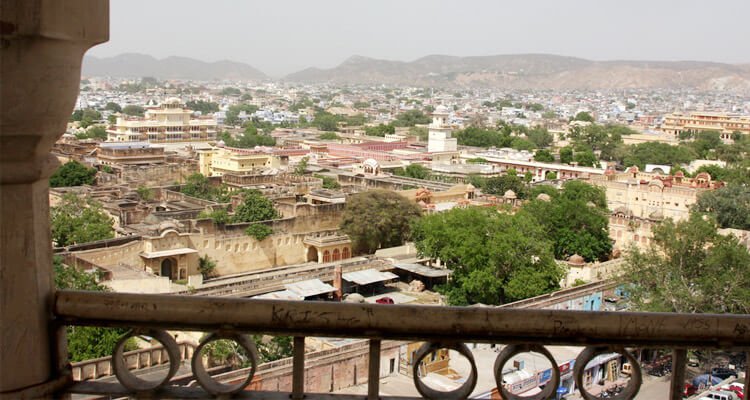
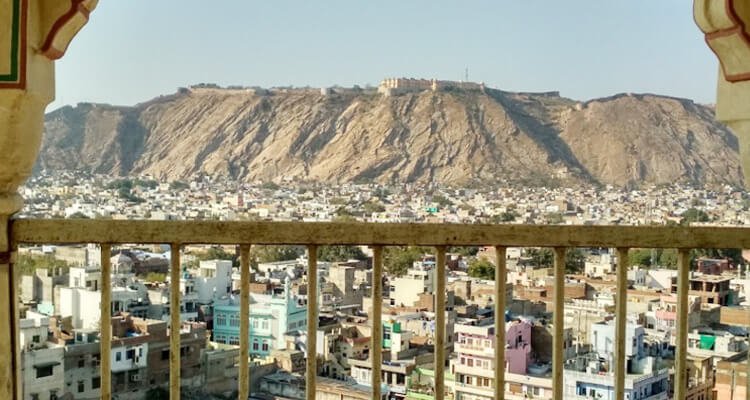
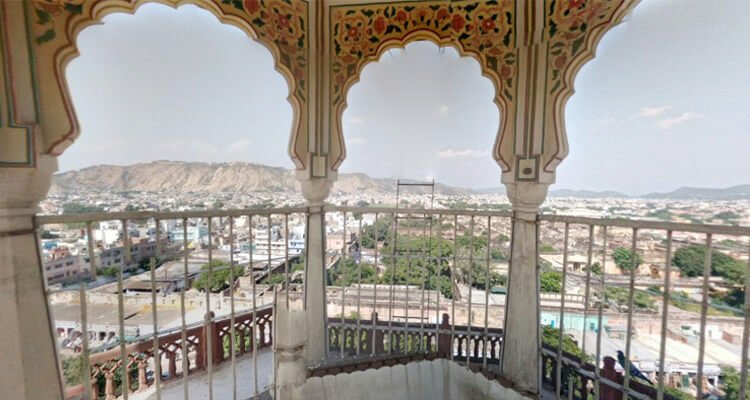
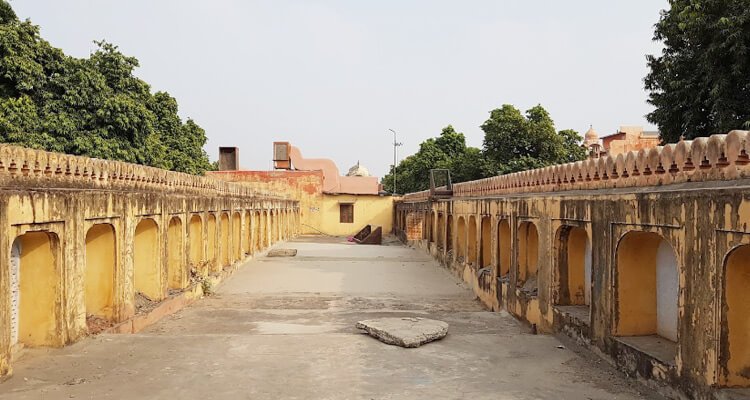

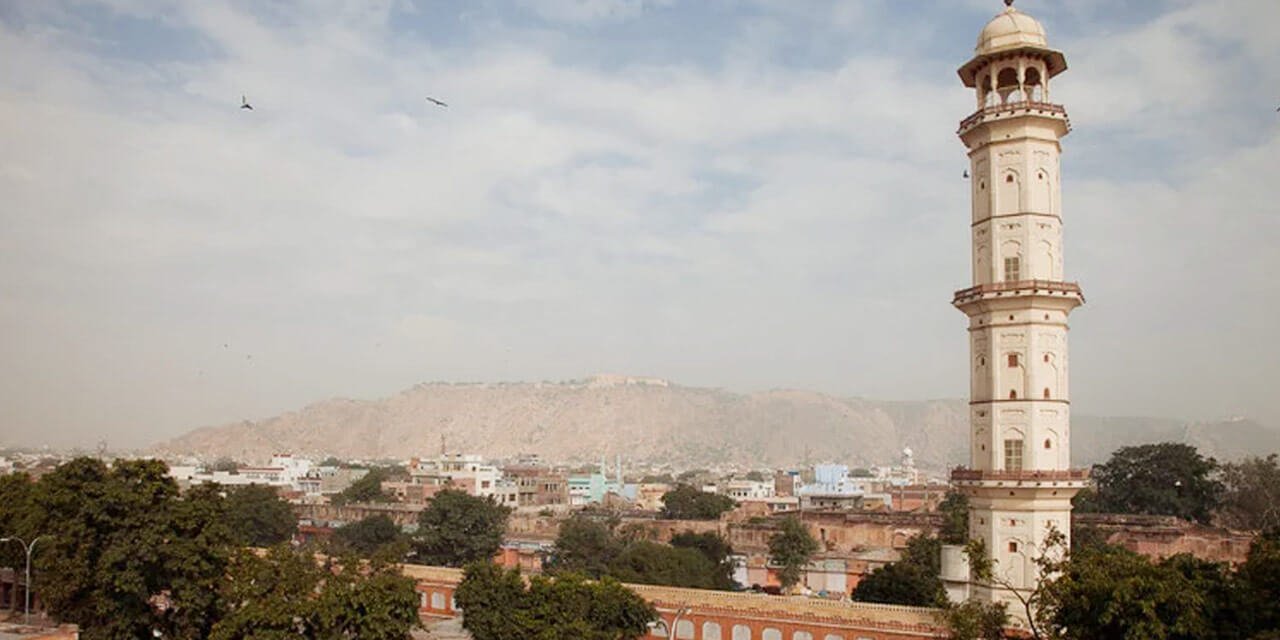
Climbing the Swargasuli Tower (Isar Lat) is like unfolding a map of Jaipur in real-time. Because the tower is octagonal, each level offers a different “frame” of the city.
Here is your Photographer’s Perspective guide to what to look for as you ascend the 264 steps.
📸 The 7-Storey Viewfinder: What to Spot
| Storey | Elevation | The “Hero” Shot | Details |
| Gnd – 2nd | 0 – 40 ft | The Street Soul | Perfect for top-down street photography. Capture the colorful chaos of Tripolia Bazaar and the cycle-rickshaws lined up at Choti Chaupar. |
| 3rd | ~60 ft | The City Palace Gate | At this height, you are eye-level with the ornate rooftops of the Tripolia Gate (the royal entrance). You can see the private courtyards usually hidden from the street. |
| 4th | ~80 ft | Jantar Mantar | Look North-East. You can see the massive Samrat Yantra (the world’s largest sundial) rising above the palace walls. |
| 5th | ~100 ft | Hawa Mahal’s Rear | Look East. This is one of the few places where you can see the back of the Palace of Winds, showing how the honeycomb structure actually connects to the palace. |
| 6th | ~120 ft | The Mountain Line | Look North. The Nahargarh Fort wall becomes clearly visible, snaking along the Aravalli ridge like a “Great Wall of Jaipur.” |
| 7th (Top) | 140 ft | The 360° Panorama | The Zenith: You can see all the way to Garh Ganesh on the hills to the North and the Albert Hall Museum to the South. |
🗺️ Compass Guide from the Top Platform
North: The steep climb to Nahargarh Fort and the white towers of Garh Ganesh Temple.
East: The pink skyline, the Hawa Mahal, and the sun rising over the Galta Hills.
West: The busy stretch towards Chandpole and the modern city beyond the old walls.
South: The lush greenery of the City Palace gardens and the dome of Albert Hall in the distance.
💡 Pro Photographer Tips for Isar Lat
Lens Choice: Bring a Wide-Angle lens (16mm-35mm) for the panoramic view at the top, but a Telephoto lens (70mm-200mm) is actually better for the lower floors to compress the street traffic and capture the details of the palace carvings.
The Window Frame: Use the small, arched windows on the stairs as a “natural frame” for your photos. It gives the shot a classic “Heritage” feel.
The “Yellow” Glow: Since the tower is painted yellow, it reflects a warm, golden light onto your skin and clothes—perfect for a “heritage-themed” portrait on the spiral ramp.
Security Note: The balconies at the top are narrow and the railings are historic. Do not lean out for a selfie; the drop is straight and significant!
