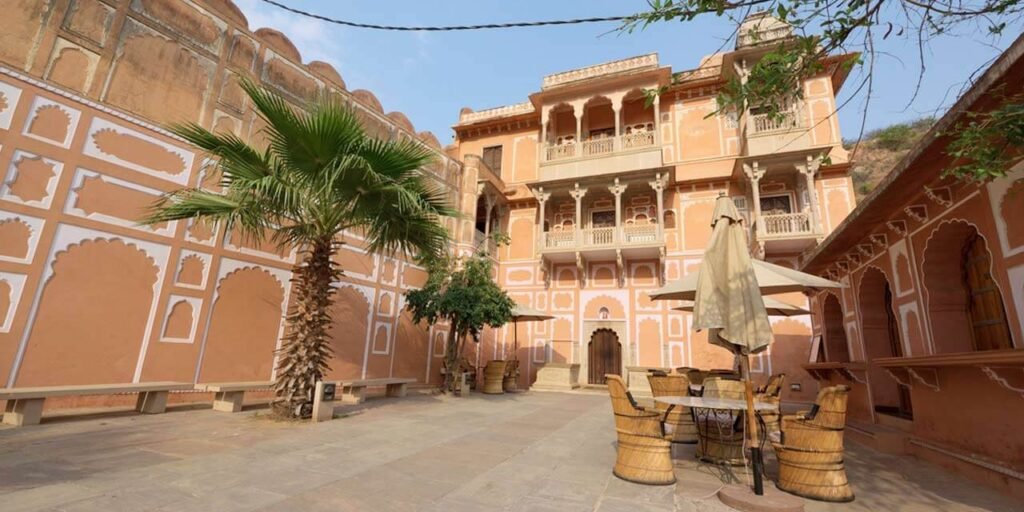
Located just a kilometer from the majestic Amer Fort, the Anokhi Museum of Hand Printing is housed in the beautifully restored Chanwar Palkiyon ki Haveli. This UNESCO award-winning museum is dedicated to the ancient art of hand block printing. It isn’t just a gallery; it’s a living tribute to the artisans who transform plain fabric into intricate masterpieces using wooden blocks and natural dyes.
🕒 Visitor Information: Entry Fee & Timings (2026)
The museum offers an intimate, quiet experience away from the heavy tourist crowds of the main fort.
| Category | Entry Fee (2026) |
| Adults | ₹80 per person |
| Students (with ID) | ₹50 per person |
| Children | ₹25 per person |
| Still Camera | ₹50 |
| Video Camera | ₹150 |
⏰ Opening Hours
Tuesday – Saturday: 10:30 AM – 5:00 PM
Sunday: 11:00 AM – 4:30 PM
Weekly Holiday: Closed on Mondays
Annual Maintenance: The museum is closed every summer from May 31st to July 15th.
Pro-Tip: Block printing demonstrations are paused daily between 1:30 PM and 2:00 PM (1:00 PM to 2:30 PM on Fridays) for the artisans’ lunch break. Plan your visit accordingly!
🏛️ The Haveli: A Story of Restoration
The museum building itself is a masterpiece. Once a dilapidated mansion used by palanquin bearers, it was restored by John Singh and Rachel Bracken Singh (founders of the Anokhi brand).
UNESCO Award: In 2000, the restoration won the UNESCO “Cultural Heritage Conservation” award for using traditional materials like lime and organic local stone.
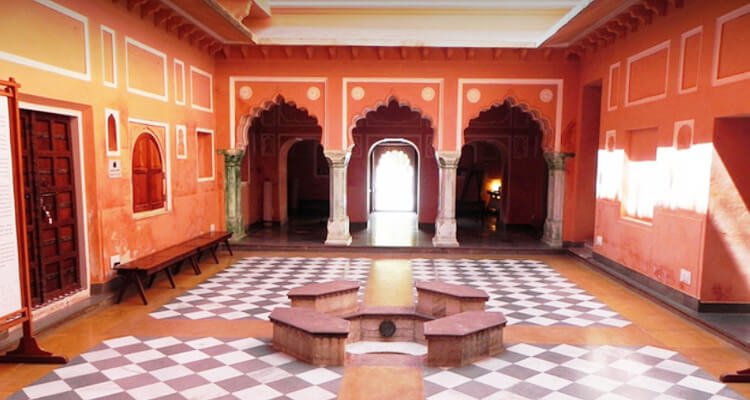
The Architecture: Look for the signature pink sandstone walls and delicate balconies that blend Mughal and Rajput styles.
🎨 What to See Inside
The museum is divided into several specialized galleries:
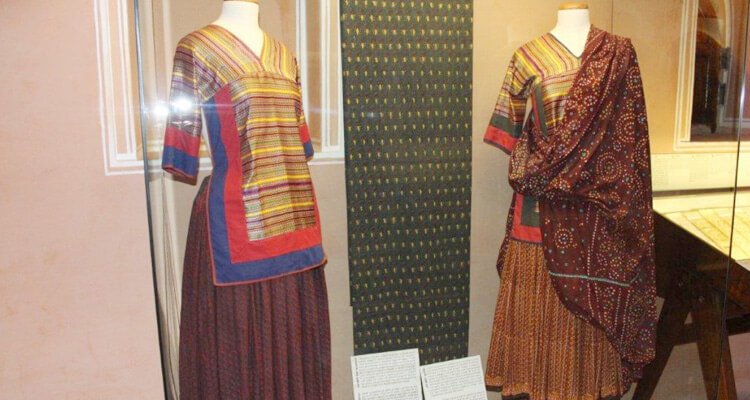
The Archives: A collection of over 100 garments and blocks dating back to the 1960s.
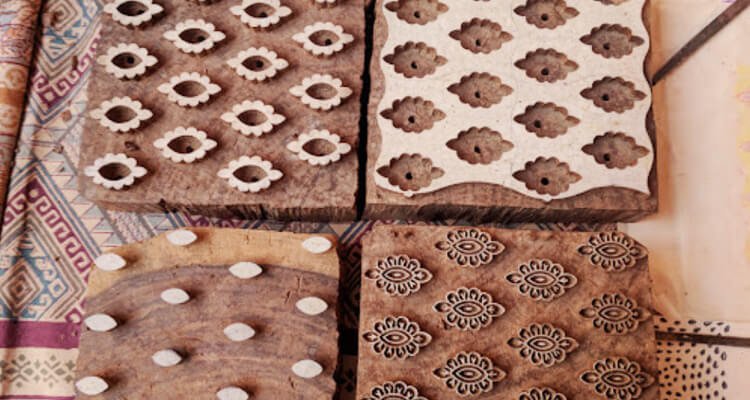
Live Demonstrations: On the ground floor, you can watch master carvers chiseling intricate designs into wooden blocks and printers expertly stamping fabric.
Dyeing Gallery: Learn about the chemistry of natural dyes—how indigo, turmeric, and pomegranate are used to create permanent colors.
The Museum Shop: Purchase “Limited Edition” Anokhi merchandise, including handcrafted clothing, home textiles, and specialized books.
📍 Nearby Attractions in Amer
Maximize your trip by visiting these spots within walking distance:
Amer Fort (1 km): The primary royal residence of the Kachwaha kings.
Panna Meena Ka Kund (500m): The most famous and symmetrical stepwell in Jaipur.
Badrinath Temple: A quiet, ancient temple located right next to the museum haveli.
🚗 How to Reach Anokhi Museum
By Foot: If you are already at Amer Fort, exit through Kheri Gate. It is a scenic 10-15 minute walk through the cobblestone streets of the old town.
By Rickshaw: E-rickshaws are readily available at the Amer fort base and will drop you at the museum for a small fee.
By Car: Located 13 km from Jaipur city center. Use the Delhi Bypass route to reach the Kheri Gate area.
💡 Expert Tips for 2026
Workshop Opportunities: The museum occasionally conducts 2-day workshops on block printing. Check their official website in advance to book a spot.
Quiet Time: Visit on a weekday morning. The museum is a favorite for design students and artists who spend hours sketching in the courtyards.
The Museum Cafe: While small, the cafe serves excellent organic snacks and tea—perfect for a break after exploring the galleries.

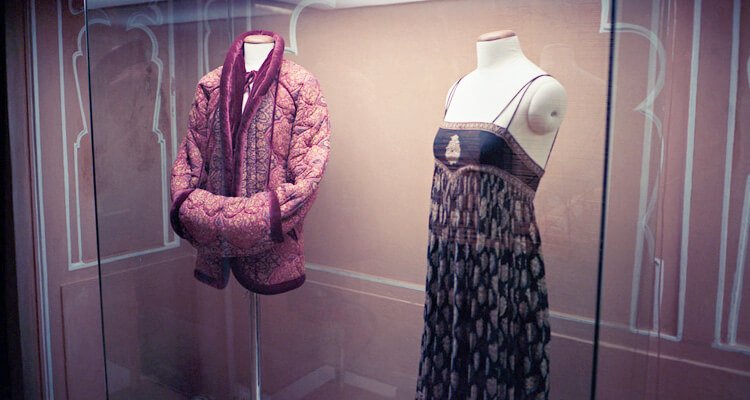
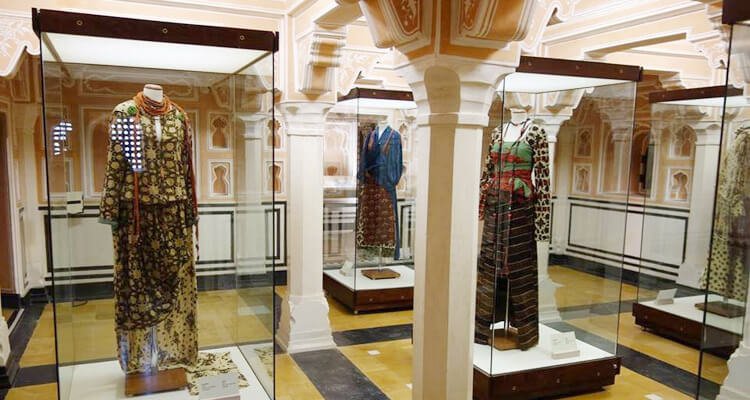
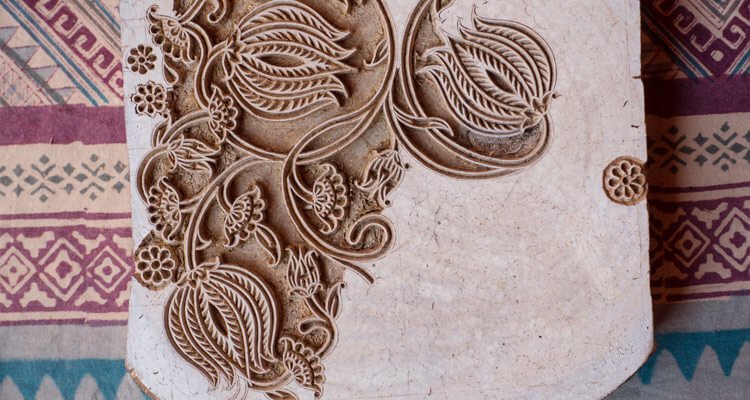
While the Anokhi Museum of Hand Printing offers daily live demonstrations, their formal, multi-day workshops are seasonal and highly curated. For January and February 2026, there is a mix of in-house sessions and prestigious third-party collaborations in the Amer area.
🎨 Workshop Schedule & Details (Early 2026)
1. Daily “In-Museum” Demonstrations
What it is: Not a formal certification course, but an interactive session where you can try your hand at printing a small fabric swatch or scarf under the guidance of a master printer.
When: Every day (except Monday).
Timing: 10:30 AM – 1:30 PM & 2:00 PM – 5:00 PM.
Booking: No pre-registration required; just pay a small material fee (approx. ₹200–₹500) at the demonstration desk.
2. “Wonderful Workshops” Series (Jan 26 – Feb 1, 2026)
The museum frequently hosts or partners with the Wonderful Workshops Jaipur collective during the cool winter months.
The Session: Indigo Dye + Dabu Printing with Raj Kanwar and local artisans.
Focus: Learning “Dabu” (mud-resist) printing and working with live indigo vats.
Registration: These must be booked 1–2 months in advance as they are limited to small groups of 10–12 people.
3. Formal 2-Day Intensive Workshops
Content: Day 1 focuses on wood-block carving (chiseling your own design); Day 2 focuses on fabric preparation and printing.
Availability: Usually held once or twice a month during the peak season (October–March).
Registration: Email museum@anokhi.net or call +91 141 2530226 to check the specific dates for the month of your visit.
📝 How to Book a Spot
Email Inquiry: Send your preferred dates to museum@anokhi.net. Since it’s a charitable foundation, their response time can be 2–3 days.
On-the-Spot: If you only want a 15-minute “taster” session, you can simply walk up to the printing table on the ground floor during your museum visit.
Third-Party Alternatives: If Anokhi is fully booked, the Wabisabi Project or the Titanwala Museum in nearby Bagru village offer excellent daily in-depth workshops that include lunch and transport.
💡 Pro-Tips for Your Workshop Visit
Dress for Mess: You will get ink on your hands and possibly your clothes. Wear something old or dark-colored.
Friday Lunch Break: Remember that on Fridays, the artisans take a longer break (1:00 PM – 2:30 PM). If you arrive at noon, you’ll have a long wait before the demonstration area reopens.
The “Natural” Factor: If you are doing a workshop involving Indigo, be prepared for the smell! Natural indigo has a very distinct, earthy/fermented scent.
