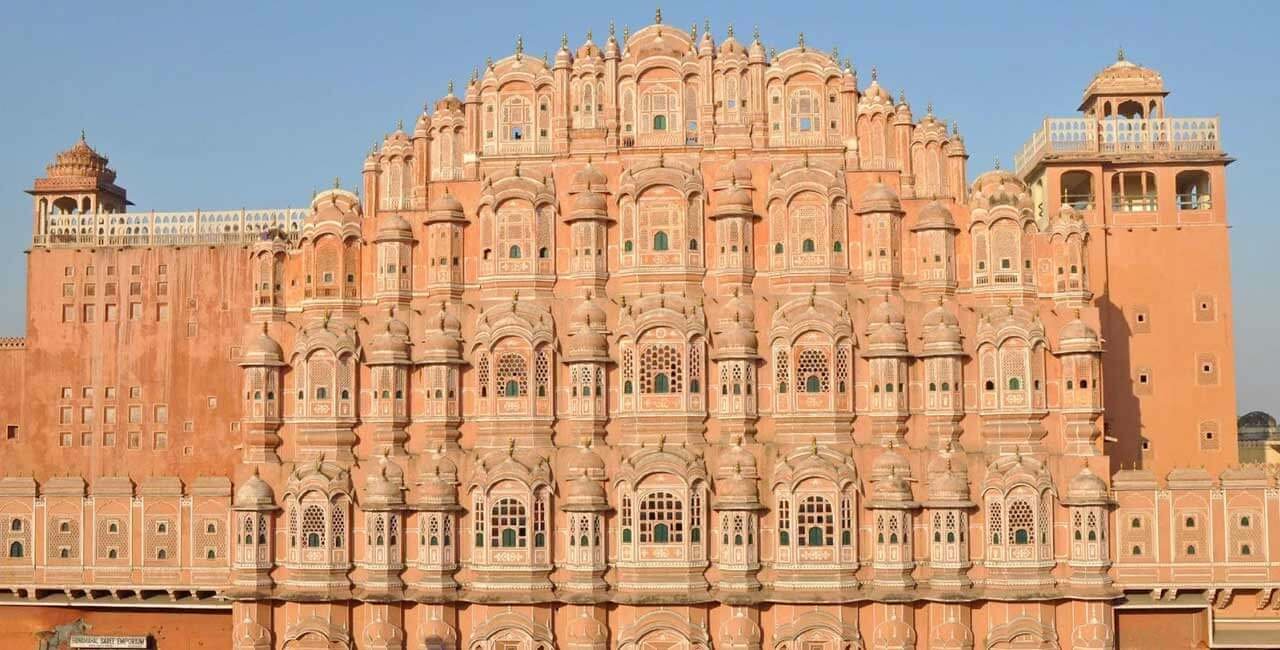
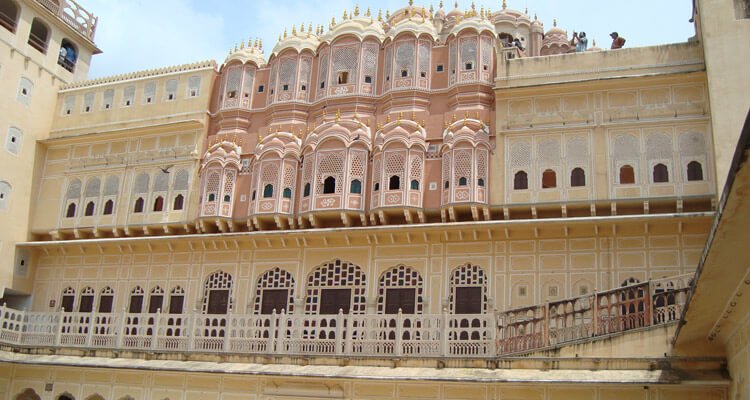
Standing in the heart of the Pink City, the Hawa Mahal is Rajasthan’s most iconic landmark. Known for its unique honeycomb-shaped facade and 953 intricate windows (Jharokhas), this five-story architectural marvel was designed to allow the royal ladies to observe street festivals while remaining unseen.
🎟️ Hawa Mahal Entry Fees & Timings
Whether you are a student or a global traveler, here is the latest ticket pricing for 2026.
| Category | Entry Fee (INR) |
| Indian Adults | ₹50 |
| Indian Students (with ID) | ₹20 |
| Foreign Tourists | ₹200 |
| Foreign Students (with ID) | ₹100 |
Timings: 9:00 AM – 7:00 PM (Daily)
Museum Hours: The on-site archaeological museum is closed on Friday and Saturday.
Location: Hawa Mahal Rd, Badi Choupad, Pink City, Jaipur.
🏗️ Architectural Brilliance: The Science of Cool Air
Built in 1799 by Maharaja Sawai Pratap Singh, the Hawa Mahal is a masterpiece of the “Venturi Effect.”
Natural AC: The 953 windows were designed to catch the breeze and compress it, creating a natural cooling system that keeps the palace chilly even in the scorching 110°F (43°C) Rajasthan summers.
The Shape of a Crown: Observe the palace from the street—its pyramidal shape is designed to resemble the crown of Lord Krishna.
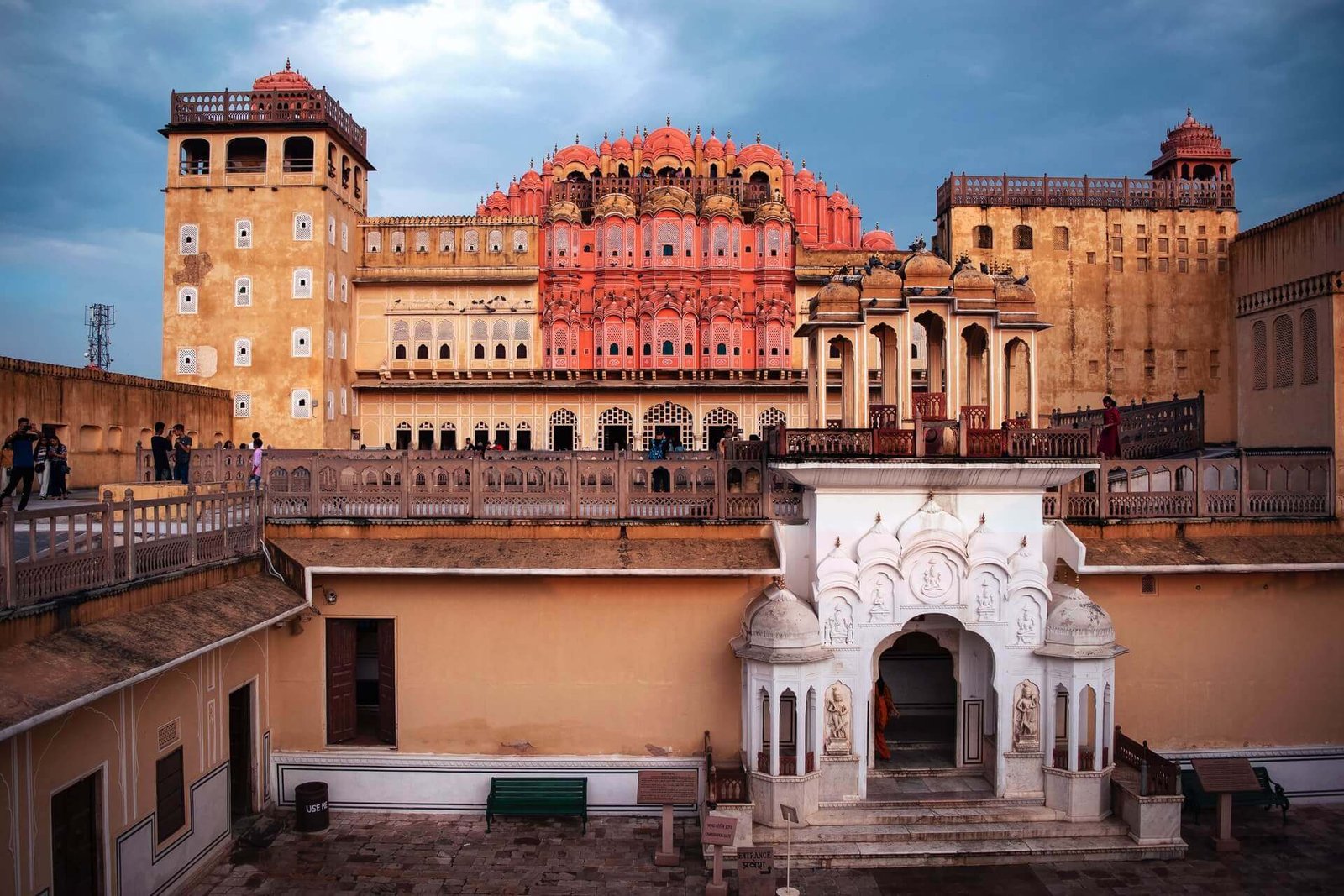
No Stairs: Interestingly, the top two floors are only accessible via ramps, which were originally built to accommodate the palanquins (litters) of the royal queens.
✨ Top Things to Do & See
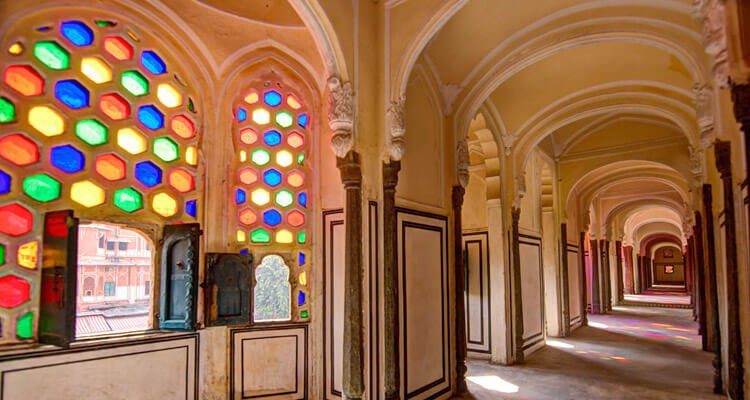
The Colored Glasswork: Visit the Ratan Mahal on the second floor. When the sun hits the stained-glass windows, the entire room is bathed in a kaleidoscope of colors.
Archaeological Museum: Located in the courtyard, this museum houses rare artifacts, weapons, and sculptures that tell the story of the Jaipur royals.
The Best View (Wind View Café): For the famous “straight-on” photo of the facade, head to the rooftop cafés (like Wind View or Tattoo Café) located directly across the street.
Hawa Mandir: The 5th floor, which gives the palace its name, offers the most breathtaking panoramic view of the City Palace and Jantar Mantar.
📍 Nearby Attractions (Within Walking Distance)
City Palace (200m): The royal residence, featuring the stunning Peacock Gate.
Jantar Mantar (700m): A UNESCO World Heritage site featuring the world’s largest stone sundial.
Govind Dev Ji Temple (700m): A spiritually vibrant temple dedicated to Lord Krishna.
Johari Bazaar (900m): The go-to spot for authentic Rajasthani jewelry and gemstones.
🍽️ Street Food Near Hawa Mahal
Don’t leave the area without trying these local favorites:
Pyaz Kachori: Head to Laxmi Mishthan Bhandaar (LMB) in Johari Bazaar for the city’s most famous onion pastries.
Sanjay Omelette: Try unique egg preparations by a MasterChef India participant.
Kulfi Faluda: Perfect for cooling down after your palace tour; look for shops near Bapu Bazaar.
🚗 How to Reach Hawa Mahal
From Railway Station (4 km): Easily reachable by auto-rickshaw or taxi in 15 minutes.
From Airport (12 km): A 30-40 minute drive via cab.
Pro Tip: The Badi Choupad area is very congested. It is best to take an e-rickshaw or walk if you are already in the Pink City market area.


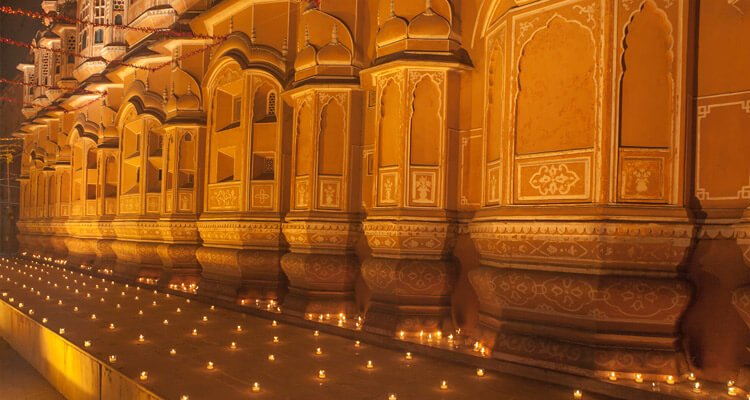
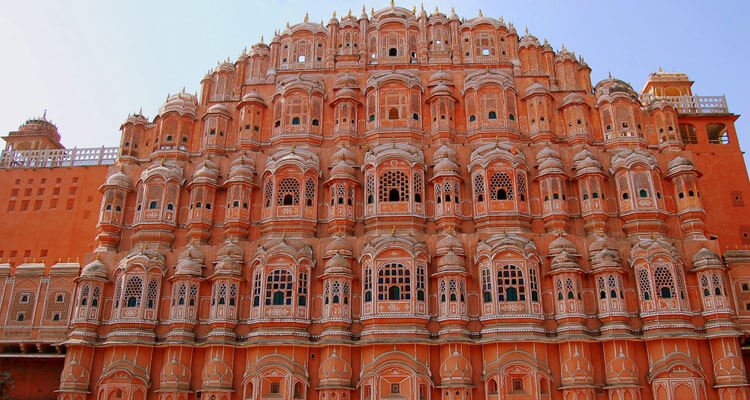
To truly experience Jaipur like a local, you have to eat like one. This Morning Food Walk takes you through the pink-painted lanes of the Old City, starting with the first light on the Hawa Mahal and ending with a legendary lassi.
🗺️ The “Pink City Breakfast” Route (Approx. 2.5 km)
Stop 1: Hawa Mahal (The Sunrise Shot)
Time: 08:00 AM
Activity: Start here before the crowds arrive. The morning sun hits the facade directly, making the pink sandstone glow.
The “Secret” View: Instead of just standing on the street, head to Wind View Café (directly across) just for a quick morning photo from their terrace.
Stop 2: Samrat Restaurant (The Kachori King)
Walk: 7 minutes (500m) toward Chaura Rasta.
What to order: Pyaz Kachori and their signature Dahi Samosa.
Local Tip: This is arguably the most famous breakfast spot for locals. The kachoris here are piping hot, crispy, and served with a tangy tamarind chutney. Pair it with a Masala Chai served in a kulhad (clay cup).
Stop 3: Sahu Ki Chai (The Legendary Brew)
Walk: 3 minutes (200m) further down Chaura Rasta.
What to order: Just their classic Ginger-Cardamom Tea.
Why: Sahu has been brewing tea on a coal fire for decades. It has a distinct smoky flavor that you won’t find anywhere else in the city. It’s a standing-room-only vibe where the “old guard” of Jaipur meets every morning.
Stop 4: LMB – Laxmi Mishthan Bhandar (The Royal Treat)
Walk: 10 minutes (800m) into Johari Bazaar.
What to order: Paneer Ghewar or Mawa Kachori.
Why: LMB is a Jaipur institution. While their Pyaz Kachori is famous, their sweets are the real stars. If you’re visiting in January (winter), don’t miss the Doodh Phinni, a melt-in-your-mouth vermicelli dessert.
Stop 5: Lassiwala (The Grand Finale)
Walk: 15 minutes (1.2 km) toward MI Road (Panch Batti).
What to order: Sweet Lassi (Large) in a clay pot.
Note: Look for the shop that says “Kishan Lal Govind Narain Agarwal” (established 1944). There are many copycats next door—the original is the one usually with the biggest crowd. The lassi is so thick you often need a spoon to eat the layer of malai (cream) on top.
💡 Morning Walk Survival Tips
Start Early: Most of these spots start selling out their best batches by 11:00 AM.
Cash is King: While many shops now take UPI (digital payments), having small change for the tea stalls is helpful.
The “Lassi” Rule: Lassiwala often closes by 4 PM (or whenever they run out of yogurt), so it must be a morning or early afternoon stop.
Comfort: Wear slip-on shoes. You’ll be entering and exiting shops, and some spots (like temples you might pass) require you to remove them.
