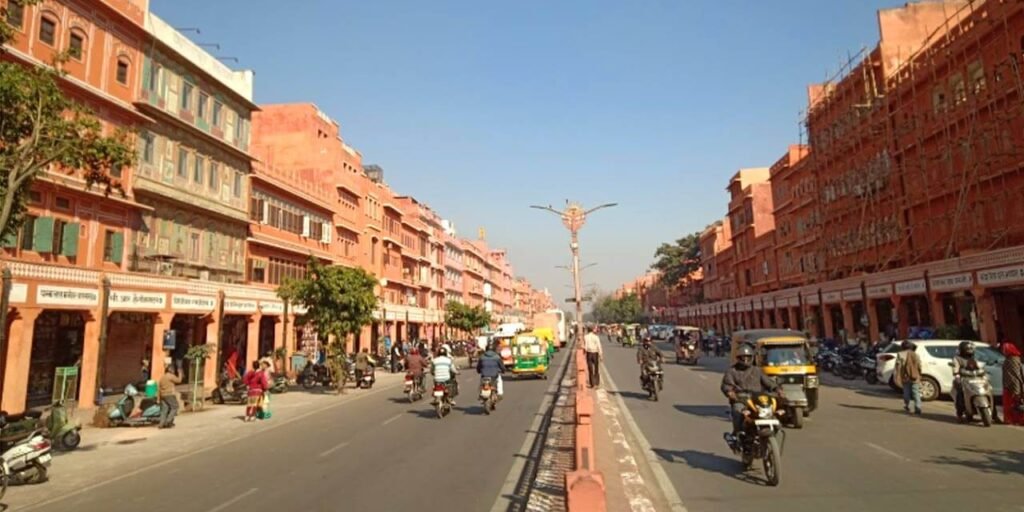
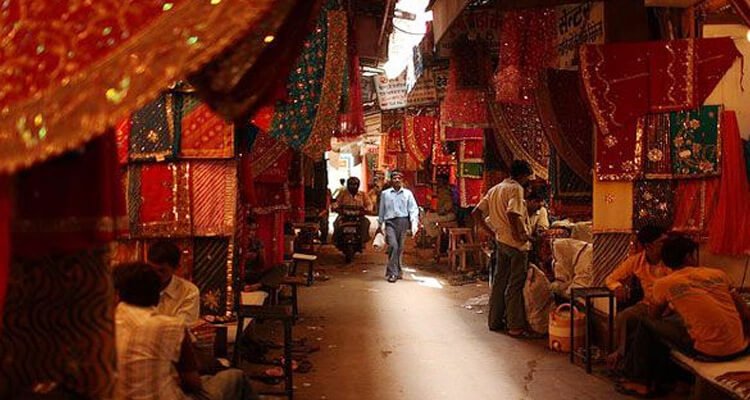
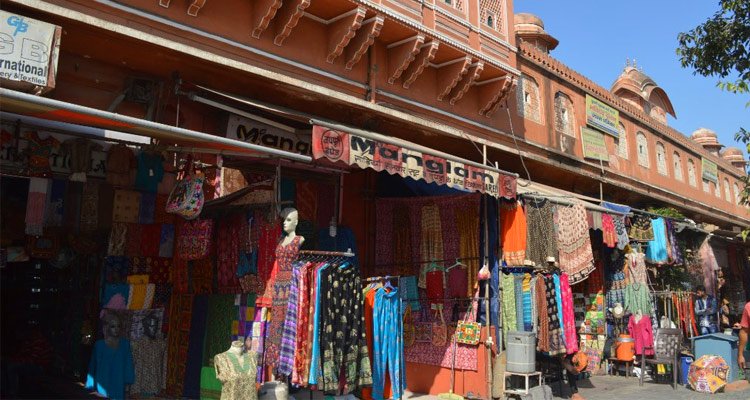
If Jaipur is the “Pink City,” Johari Bazaar is its sparkling crown jewel. Located in the heart of the old city near the Hawa Mahal, this market is world-renowned for its precious gemstones, exquisite handcrafted jewelry, and vibrant Rajasthani textiles. Whether you are a bride-to-be, a gemstone collector, or a souvenir hunter, Johari Bazaar offers an immersive sensory experience of the city’s rich mercantile heritage.
🕒 Visitor Information: Timings & Location (2026)
While the market streets are accessible 24/7, the shops operate on a standard schedule.
| Category | Details |
| Entry Fee | Free (Public Market) |
| Operational Timings | 10:00 AM – 11:00 PM (Daily) |
| Best Time to Visit | 11:30 AM (for less crowd) or 6:00 PM (for the vibe) |
| Address | Johari Bazar, Badi Choupad, Jaipur, Rajasthan 302003 |
💎 What to Shop For: The Treasures of Johari
As the name suggests (Johari means “Jeweller”), this market is the global epicenter for traditional Indian jewelry styles.
1. Authentic Rajasthani Jewelry
Kundan & Meenakari: Discover stunning 22k gold pieces featuring enamel work and uncut diamonds.
Thewa Jewelry: A unique art form of fusing 23k gold film on multicolored glass.
Gopalji ka Rasta: Visit this specific lane for wholesale precious and semi-precious stones (Emeralds, Rubies, and Sapphires).
2. Textiles & Bridal Wear
Tie-Dye (Bandhej): From Leheriya dupattas to Bandhani sarees, the colors here are unmatched.
Bridal Trousseaus: Iconic shops like Rana Saree Emporium and Rooplaxmi offer some of the finest bridal lehengas in Rajasthan.
Jaipuri Razai: Don’t forget to pick up a world-famous, light-as-air cotton quilt.
3. Footwear & Accessories
Mojaris & Jutis: Hand-stitched leather sandals with intricate embroidery.
Lac Bangles: Head to the nearby Maniharon ka Rasta for authentic, handcrafted lacquer bangles made right before your eyes.
🍲 Iconic Eats: The “LMB” Experience
Shopping in Johari Bazaar is incomplete without a culinary pitstop at Laxmi Misthan Bhandar (LMB).
Must Try: The legendary Rajasthani Thali, Paneer Ghewar, and their world-famous Dahi Vada.
Quick Bites: For street food lovers, the Poddar Misthan Bhandar and local Kachori stalls offer the perfect spicy fuel for your shopping spree.
🏛️ Points to Note for 2026 Shoppers
Fixed Prices: Unlike other street markets, major jewelry and textile showrooms in Johari Bazaar often have a fixed-price policy. While small vendors might bargain, don’t expect heavy negotiations in high-end shops.
Gaddis: Look for traditional workstations (Gaddis) where artisans still sit on floor cushions to design jewelry, a practice unchanged for centuries.
Authenticity: When buying expensive gemstones, always ask for a certificate of authenticity from a reputable lab.
🚗 How to Reach Johari Bazaar
By Metro: The Badi Choupad Metro Station is located right at one end of the bazaar, making it the most convenient way to reach in 2026.
By Rickshaw: For an authentic experience, take a cycle-rickshaw or e-rickshaw from Hawa Mahal.
By Car: Parking is extremely limited in the walled city. It is highly recommended to park your vehicle at a designated lot near Ram Niwas Bagh and take an e-rickshaw to the market.
💡 Expert Tips for the Best Experience
Haldiyon ka Rasta: This is a hidden gem for silverware and unique “junk” jewelry that is perfect for gifting.
Evening Lights: The market is spectacularly lit at night, offering a cinematic backdrop for street photography.
Combine Your Visit: Since it’s located centrally, you can easily visit the Hawa Mahal, City Palace, and Jantar Mantar before heading into the bazaar for an evening of shopping.

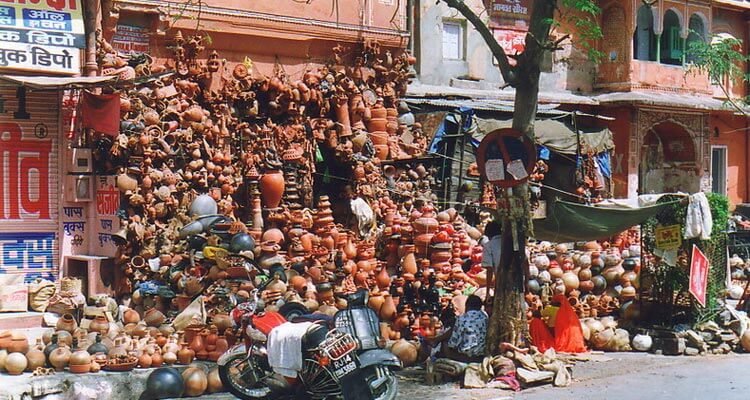
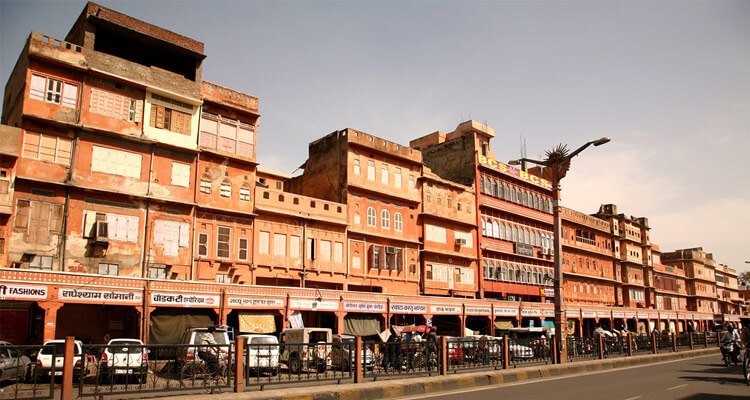

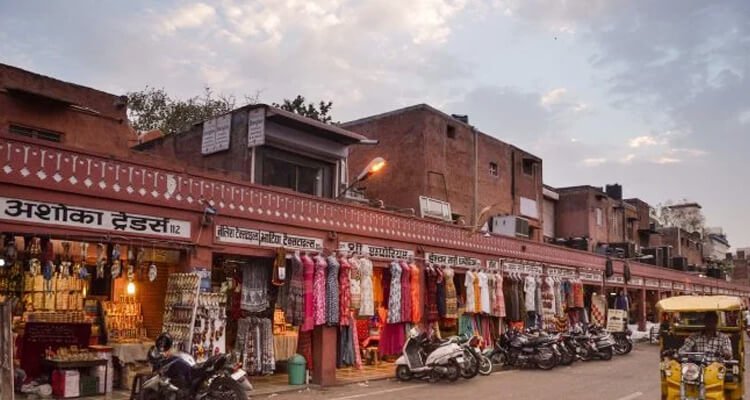
This “Goldsmith’s Trail” takes you off the main road and into the narrow, ancient Galis (lanes) where the real magic happens. In these hidden workshops, 4th and 5th-generation artisans still use hand-tools to create jewelry that eventually ends up in the luxury boutiques of Paris and New York.
💎 The Goldsmith’s Trail: A Walking Map of Hidden Johari Bazaar
Start Point: Badi Choupad Metro Station
End Point: LMB (Laxmi Misthan Bhandar)
Duration: 1.5 – 2 Hours
Stop 1: Gopalji Ka Rasta (The Gemstone Pulse)
From Badi Choupad, enter this famous lane.
What to see: This is the wholesale hub for emeralds and rubies. Look into the small upper-floor windows; you’ll see “brokers” sitting on white floor cushions (Gaddis), inspecting stones under natural light.
The Experience: Witness the Pahadi (sorting) process, where thousands of tiny gems are graded by hand for color and clarity.
Stop 2: Maniharon Ka Rasta (The Lacquer Lane)
A short 5-minute walk from Gopalji Ka Rasta.
What to see: This is home to the Manihari community. You can watch artisans heating natural resin (Lac) over small coals and hand-shaping them into bangles.
Pro-Tip: Ask them to add “Kundan” stones to a plain bangle while you wait—it’s a fascinating 10-minute transformation.
Stop 3: Haldiyon Ka Rasta (The Silver & Meena Hub)
Return toward the main road and enter this historic alley.
What to see: This lane specializes in Meenakari (Enameling). You can see artists using bird feathers or fine needles to paint intricate floral designs on gold and silver before firing them in miniature kilns.
Look for: The “Kundan” setting shops, where artisans use highly refined gold foil to set gemstones without the use of modern glues or soldering.
Stop 4: The “Gaddi” Showrooms of M.S. Purshotam Das
Located in a hidden courtyard off the main bazaar.
What to see: One of the few places that still maintains the 19th-century retail style. You remove your shoes, sit on a white mattress, and the jeweler rolls out velvet cases of heritage pieces.
The Vibe: It feels like a private audience with a royal jeweler.
🗺️ Trail Logistics at a Glance
| Stop | Specialty | Best Time to Visit |
| Gopalji Ka Rasta | Emeralds & Rubies | 11:30 AM (Best natural light) |
| Maniharon Ka Rasta | Handmade Lac Bangles | 2:00 PM – 5:00 PM |
| Haldiyon Ka Rasta | Silver & Enameling | 12:00 PM – 4:00 PM |
| Main Bazaar | Bridal Lehengas | 6:00 PM (Lively atmosphere) |
💡 Insider “Gali” Secrets
The “Chai” Signal: If you see a jeweler offering you Masala Chai, it’s a traditional sign of hospitality. It doesn’t mean you must buy, but it’s a great way to sit and learn about the stones.
Ask for “Vilas” Work: If you want something truly unique, ask for Vilas work—it’s a rare, old-school style of diamond setting that is almost extinct outside of Jaipur.
Photography Etiquette: Most artisans are happy to be photographed, but always ask first. A small tip (₹50-₹100) or buying a small souvenir is a nice gesture for their time.
The Sweet Ending
Finish your walk at LMB. Order a hot Kesar Jalebi or their famous Pyaaz Kachori. It’s the traditional way to celebrate a successful “treasure hunt” in the bazaar.
